The Rise of Specialty Coffee in 2025: Beyond the Bean
Understanding the third wave movement, scoring systems, and how to brew the perfect cup at home.
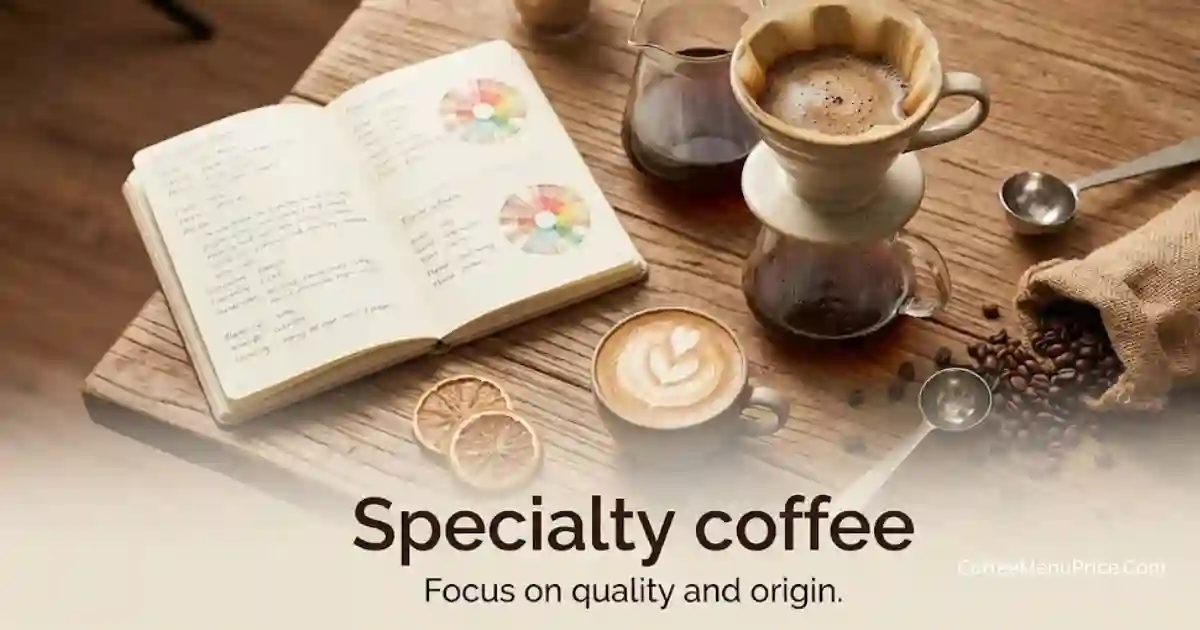
In recent years, the morning ritual of drinking coffee has undergone a radical transformation. Gone are the days when "coffee" simply meant a bitter, dark liquid derived from a tin can. Today, we are in the golden era of specialty coffee. In 2025, coffee is no longer just a caffeine delivery system; it is a culinary experience comparable to fine wine or craft beer. It is a world defined by distinct flavor profiles, ethical sourcing, and scientific precision in brewing.
But what exactly separates your standard supermarket blend from true specialty coffee? The distinction isn't just marketing hype—it is a rigorous standard based on agriculture, processing, and roasting. Whether you are a home barista looking to perfect your pour-over or a casual drinker curious about the buzz, understanding this movement is the key to unlocking a world of complex flavors, from floral Ethiopian heirlooms to chocolatey Brazilian varietals.
Defining Specialty Coffee: The 80-Point Rule
The term "specialty coffee" was first coined in the 1970s, but today it has a very specific technical definition. According to the Specialty Coffee Association (SCA) , coffee which scores 80 points or above on a 100-point scale is graded as "specialty."
This grading is performed by certified professionals known as Q Graders. They analyze the green (unroasted) beans for defects and then roast and cup (taste) the coffee to evaluate attributes such as acidity, body, sweetness, and balance. Coffee scoring between 80 and 84.99 is considered "very good," while coffee scoring 90 or above is "outstanding." Anything below 80 is generally considered commodity grade—the type used for instant coffee or generic grocery store blends.
The Three Waves of Coffee Culture
To appreciate where we are today, it helps to understand the history of coffee consumption, often described in "waves."
- First Wave: Coffee as a commodity. Think of the post-WWII era where convenience was king. Vacuum-packed tins and instant coffee focused on a quick caffeine fix with little regard for flavor or origin.
- Second Wave: The rise of the coffee shop chains. Brands like Starbucks introduced the world to espresso-based drinks, flavored lattes, and the concept of coffee as a social experience. However, the roast was often dark to mask bean quality.
- Third Wave (Specialty Coffee): The current era. Here, the bean is the star. The focus is on the "terroir"—how the soil, altitude, and climate affect the taste. Roasts are lighter to highlight unique characteristics, and transparency in the supply chain is paramount.
The Journey from Farm to Cup
Specialty coffee is not just about the final brew; it is about the entire lifecycle of the bean. It begins at the farm, usually located in the "Bean Belt" between the Tropics of Cancer and Capricorn. Unlike commodity farming, specialty farmers hand-pick only the ripest coffee cherries.
After harvesting, the processing method plays a massive role in flavor:
- Washed Process: The fruit is removed before drying. This results in a clean, bright, and acidic cup, common in Latin American coffees.
- Natural Process: The coffee cherry is dried with the fruit still attached to the seed. This imparts heavy body, sweetness, and intense fruitiness (often blueberry or strawberry notes).
- Honey Process: A hybrid method where some fruit flesh (mucilage) is left on during drying, creating a balance of acidity and sweetness.
Roasting: Science Meets Art
In the world of specialty coffee, roasting is where potential is unlocked. Commodity roasters often burn beans to a dark, oily state (French or Italian roast) to hide defects and ensure consistency. Specialty roasters, however, tend to favor light to medium roasts.
A light roast preserves the enzymatic flavors of the bean—the floral, citrus, or berry notes inherent to its origin. As you roast darker, those origin flavors are replaced by "roast flavors" (smoke, carb, chocolate). By carefully monitoring temperature curves and airflow, a master roaster brings out the specific personality of a single-origin bean without masking it.
Brewing Better at Home
You don't need a $5,000 espresso machine to enjoy specialty coffee. In fact, many enthusiasts prefer manual brewing methods that offer more control. Here are the top methods for 2025:
1. Pour-Over (V60 / Kalita Wave)
The gold standard for filter coffee. Pouring hot water over fresh grounds in a filter cone allows for a clean, complex cup. It highlights the delicate acidity and floral notes of African coffees particularly well.
2. The AeroPress
A favorite among travelers, this device uses air pressure to push water through the coffee. It is incredibly versatile; you can make a concentrated, espresso-like shot or a lighter, cleaner brew. It is forgiving and consistent.
3. French Press
An immersion method where coffee steeps in water. Because it uses a metal mesh filter rather than paper, the natural oils remain in the cup. This creates a full-bodied, rich mouthfeel, perfect for darker roasts or chocolatey Central American beans.
Sustainability and Ethics
One cannot discuss specialty coffee without addressing ethics. The commodity market has historically exploited farmers, keeping prices below the cost of production. The specialty movement champions "Direct Trade," where roasters negotiate directly with producers, paying a premium well above the Fair Trade base price.
Organizations like World Coffee Research are also vital, studying how to protect coffee crops from climate change. Since high-quality Arabica beans require specific temperatures to grow, global warming poses a severe threat. Buying specialty often means supporting sustainable farming practices that ensure we can still drink coffee 50 years from now.
Frequently Asked Questions (FAQs)
Is specialty coffee more caffeinated?
Not necessarily. Caffeine content depends more on the bean variety (Robusta has more caffeine than Arabica) and the ratio of water to coffee used. However, because specialty coffee is usually 100% Arabica, it might have slightly less caffeine than a cheap supermarket blend that includes Robusta filler.
Why does my coffee taste sour?
Sourness usually indicates under-extraction. This means the water passed through the grounds too quickly or the water wasn't hot enough, failing to pull out the sugars to balance the acids. Try grinding your beans finer to slow down the flow.
Does specialty coffee have to be drunk black?
While purists recommend trying it black to taste the true notes of the bean, there are no laws against milk! However, adding sugar or heavy cream can mask the delicate nuances of a high-end Geisha or Bourbon varietal. Try tasting it black first, then add milk if you wish.
How long do roasted beans stay fresh?
Coffee is a fresh food product. It peaks in flavor about 3 to 14 days after roasting. After 4 weeks, the volatile aromatics begin to fade, and the coffee becomes flat. Always look for a "Roasted On" date on the bag, not just a "Best By" date.
What is the most expensive specialty coffee?
Currently, the Panama Geisha varietal holds the record, often selling for hundreds (or even thousands) of dollars per pound at auction due to its rare, tea-like floral profile and limited availability.
Final Thoughts
Embracing specialty coffee is an invitation to slow down and appreciate quality. It transforms a mundane habit into a moment of mindfulness. It connects the drinker in a city apartment with a farmer in the mountains of Colombia or the plateaus of Ethiopia.
As we move through 2025, the barriers to entry have never been lower. With a simple grinder, a bag of fresh beans, and a kettle, you can produce a cup that rivals the best cafes in the world. So, put down the instant jar, find a local roaster, and start exploring the vast, delicious universe of the bean.
Ready to compare coffee prices yourself?
Start comparing prices across countries and save on your daily caffeine fix!
Start Compare Manually