The Ultimate Guide to Organic Coffee (2025)
Understanding the purity, environmental impact, and superior flavor profile of chemically-free beans
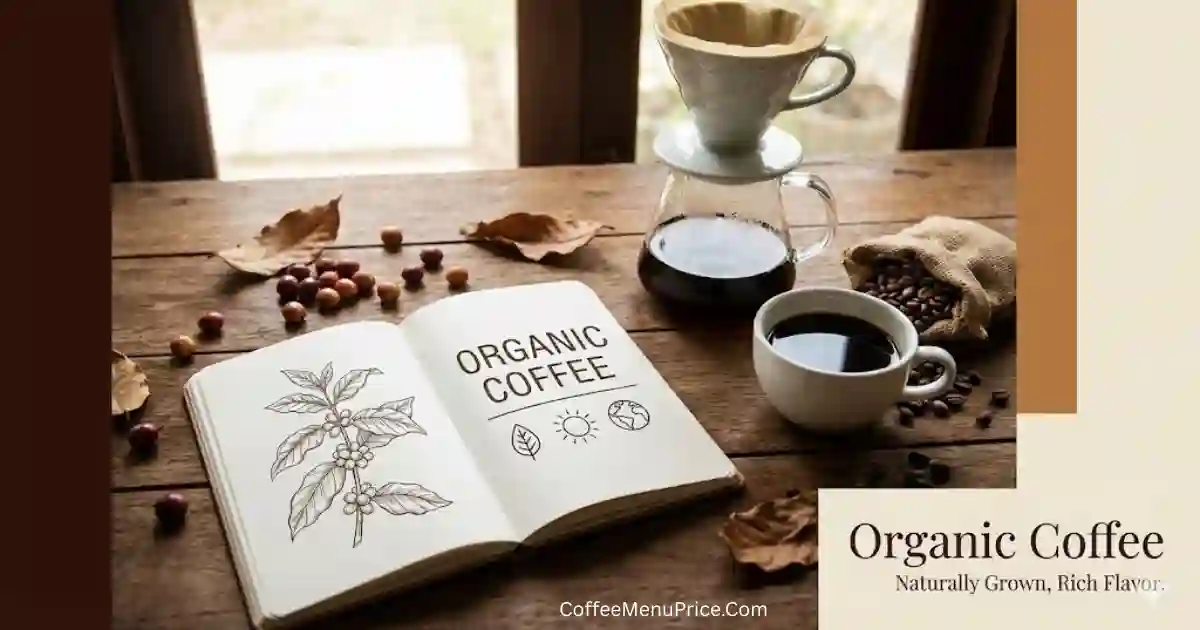
In the vast and caffeinated world of 2025, consumers are becoming increasingly conscious of what they consume. Among the most significant shifts in the beverage industry is the meteoric rise of organic coffee. Once considered a niche product found only in health food stores, it has now taken center stage in specialty cafes and home kitchens globally.
But does the "organic" label really matter when it comes to your morning brew? The short answer is yes. Conventional coffee is one of the most heavily chemically treated crops in the world. Switching to organic coffee is not merely a lifestyle flex; it is a decision that impacts your health, the global environment, and even the complexity of flavors in your cup. This comprehensive guide explores why making the switch in 2025 is the best decision you can make for your daily ritual.
What Exactly is Organic Coffee?
To truly appreciate the value of organic coffee, one must understand how it differs from conventional farming. For coffee to be certified organic (such as by the USDA or European Union Organic standards), it must be grown without the use of synthetic fertilizers, pesticides, herbicides, fungicides, or genetically modified organisms (GMOs).
Instead of relying on chemical sprays to fight off pests or boost growth, organic farmers use sustainable methods. They utilize natural compost for fertilizer, introduce beneficial insects to manage pests, and often grow the coffee under the canopy of larger trees. This holistic approach ensures that the beans you grind every morning are free from toxic residues that often linger on conventionally grown crops. According to the USDA Organic Program , these rigorous standards must be maintained for at least three years before a crop can even earn the certified label.
The Health Benefits: Purity in Every Sip
The primary driver for the surge in organic coffee popularity is health. Coffee beans are porous; they absorb what is sprayed on them. While roasting burns off some impurities, traces of synthetic chemicals can remain. By choosing organic, you are eliminating the risk of ingesting these potential toxins.
- Higher Antioxidant Levels: Studies suggest that organic crops often retain higher concentrations of antioxidants, specifically polyphenols and chlorogenic acid, which help fight inflammation in the body.
- No Synthetic Chemicals: You avoid glyphosate and other controversial herbicides often used in mass-market coffee farming.
- Reduced Mycotoxins: Organic farming practices, which often involve wet processing and careful drying, help reduce the risk of mold growth that produces harmful mycotoxins.
As noted by health experts at Healthline , incorporating organic beverages into your diet is a simple way to reduce your overall toxic load while enjoying the cognitive benefits of caffeine.
Environmental Impact: Farming in Harmony with Nature
The choice to drink organic coffee is also a vote for the planet. Conventional coffee farming often involves clear-cutting forests to grow "sun coffee," a method that maximizes yield but destroys biodiversity and requires massive amounts of water and chemicals.
In contrast, most organic coffee is shade-grown. This traditional method preserves the natural forest canopy, providing a habitat for migratory birds and local wildlife. The roots of the trees prevent soil erosion, and the falling leaves provide natural fertilizer. This creates a self-sustaining ecosystem that captures carbon rather than releasing it. Organizations like the Rainforest Alliance champion these methods, proving that agriculture does not have to come at the expense of the environment.
Does Organic Coffee Taste Better?
This is the most common question for coffee lovers. While taste is subjective, there is a scientific argument for why organic coffee often possesses a superior flavor profile.
Because organic coffee is typically shade-grown, the coffee cherries ripen more slowly. This extended maturation process allows natural sugars and complex flavor compounds to develop more fully within the bean. The result is often a cup with:
- Higher Acidity and Brightness: Distinct fruit and floral notes are preserved.
- Richer Body: A smoother mouthfeel without the chemical bitterness found in some commercial blends.
- Distinct Terroir: Without chemical fertilizers masking the soil's natural nutrients, the unique characteristics of the region (the terroir) shine through clearly.
Navigating the Label: What to Look For
Walking down the coffee aisle in 2025 can be overwhelming. Greenwashing is real, and packages are covered in buzzwords. Here is how to ensure you are buying genuine organic coffee.
1. USDA Organic Seal
In the United States, this is the gold standard. It guarantees the farm has been inspected and meets strict federal guidelines. If you see "Made with Organic Ingredients," it implies only 70% of the contents are organic. Look for "100% Organic."
2. Bird-Friendly Certification
Created by the Smithsonian Migratory Bird Center, this is arguably the strictest certification. It requires the coffee to be organic and shade-grown under a specific canopy height to protect bird habitats.
3. Fair Trade Certified
While "Organic" refers to how the coffee is grown, "Fair Trade" refers to how the people are treated. Fortunately, these often go hand-in-hand. Many cooperatives use the premiums from Fair Trade sales to pay for organic certification.
Brewing the Perfect Organic Cup
Once you have invested in high-quality organic coffee beans, you want to brew them in a way that highlights their purity.
Water Quality: Since organic beans have delicate flavor nuances, use filtered water. Tap water with high chlorine content will mask the floral or fruity notes you paid for.
Grind Fresh: Organic beans oxidize just like any other bean. Grind immediately before brewing to preserve the antioxidants and aromatics.
The Bloom: If doing a pour-over, ensure you let the coffee "bloom" (bubble up) for 30 seconds. This releases CO2 and ensures an even extraction, which is crucial for the dense bean structure of high-altitude organic coffee.
Frequently Asked Questions (FAQs)
Is organic coffee decaffeinated differently?
Yes, and this is important. Conventional decaf often uses chemical solvents like methylene chloride. Organic coffee must be decaffeinated using the Swiss Water Process or the CO2 method, which uses only water and carbon filters to remove caffeine, leaving no chemical residue.
Why is organic coffee more expensive?
Organic farming is labor-intensive. Without herbicides, weeds must be removed by hand. Without chemical fertilizers, yield per acre is often lower. The certification process itself is also costly for farmers. The higher price reflects the true cost of sustainable production.
Can organic coffee help with weight loss?
Black coffee is a low-calorie drink that can boost metabolism. Because organic varieties are free from endocrine-disrupting pesticides, some health advocates believe they support a healthier metabolism better than non-organic alternatives, though the calorie count is the same.
Does organic mean it is also Fair Trade?
Not necessarily. Organic refers to the farming method; Fair Trade refers to the economic transaction. However, the majority of Fair Trade coffee is also organic. Always check for both logos if ethical sourcing is your priority.
Final Thoughts
As we navigate the culinary landscape of 2025, the shift toward organic coffee represents a return to quality and mindfulness. It is a rejection of mass-produced, chemically dependent agriculture in favor of a method that respects the soil, the farmer, and the consumer.
While it may cost a few dollars more per bag, the investment yields dividends in health, environmental sustainability, and pure, unadulterated flavor. Next time you reach for a bag of beans, look for that certification seal. Your body—and the planet—will thank you.
Ready to compare coffee prices yourself?
Start comparing prices across countries and save on your daily caffeine fix!
Start Compare Manually