The Ultimate Guide to Nespresso Pods (2025)
Original vs. Vertuo, finding compatible capsules, and the real cost of single-serve espresso
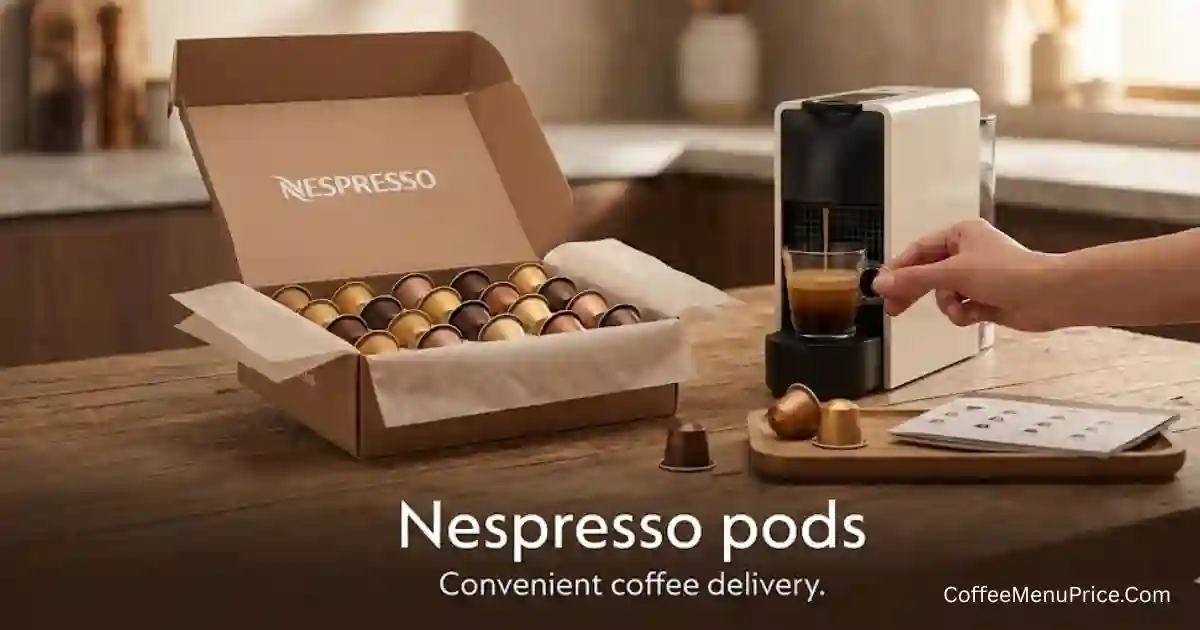
For millions of coffee lovers around the world, the morning ritual begins with the distinct hiss of a machine and the rich aroma emerging from Nespresso pods. As we move through 2025, the single-serve coffee market has evolved from a niche luxury into a household staple. The convenience of inserting a hermetically sealed capsule and receiving a barista-quality espresso with perfect crema in under 30 seconds is unmatched by almost any other brewing method.
However, the ecosystem of Nespresso pods can be confusing for new users and seasoned drinkers alike. With two distinct machine lines, a growing market of third-party compatible capsules, and varying price points, making the right choice impacts both your wallet and your taste buds. Whether you are looking for the strongest dark roast, eco-friendly alternatives, or simply the best value, understanding the mechanics of these capsules is essential.
What Are Nespresso Pods and How Do They Work?
At a technical level, Nespresso pods are precision-engineered aluminum capsules containing ground coffee. Unlike traditional plastic K-cups, Nespresso utilizes aluminum because it creates a total barrier against oxygen, light, and humidity—the three enemies of coffee freshness. This ensures that the coffee grounds inside remain as fresh as the day they were roasted, often for over a year.
The brewing process differs significantly from standard drip coffee. When you insert a pod, the machine pierces the aluminum casing. Water is then pumped through the capsule at high pressure (up to 19 bars for the OriginalLine), extracting soluble oils and flavors to create a dense, hazelnut-colored foam known as crema. This extraction method is what distinguishes Nespresso pods from instant coffee or standard filter brews.
The Great Divide: OriginalLine vs. VertuoLine
The most critical factor when buying Nespresso pods is compatibility. Nespresso operates two completely different systems, and the pods are not interchangeable. Buying the wrong type is the most common mistake consumers make.
1. The OriginalLine (The Espresso Purist)
The OriginalLine machines are designed for traditional espresso lovers. These pods are smaller, cup-shaped, and rely on a high-pressure pump system.
- Variety: Because the patent on these pods expired years ago, you can find hundreds of third-party options.
- Third-Party Brands: Starbucks, Peet's, Lavazza, and L'OR all make compatible pods.
- Best For: Drinkers who prefer Ristretto (25ml), Espresso (40ml), or Lungo (110ml).
2. The VertuoLine (The American Mug)
Introduced to appeal to the North American market that prefers large mugs of coffee, Vertuo pods use "Centrifusion" technology. The machine spins the capsule at 7,000 RPM to blend water and coffee.
- Barcode Technology: Each pod has a barcode on the rim that tells the machine exactly how much water and heat to use.
- Exclusivity: Due to patent protection, third-party options are virtually non-existent. You must buy Nespresso-branded or official partner pods (like Starbucks by Nespresso).
- Best For: Drinkers who want anything from a standard espresso to a large 18oz Carafe.
The Cost Breakdown: Is It Worth It?
A common criticism of Nespresso pods is the price per pound compared to whole bean coffee. While it is true that buying beans in bulk is cheaper, the math changes when you factor in waste and convenience.
In 2025, the average cost of an OriginalLine pod ranges from $0.75 to $0.85, while Vertuo pods range from $0.98 to $1.25 depending on the size of the coffee. Compare this to a coffee shop visit:
- Coffee Shop Latte: $5.50 - $7.00
- Nespresso Latte (Pod + Milk): Approx. $1.10
- Daily Savings: Over $1,400 per year for a daily drinker.
According to financial breakdowns by Business Insider , while the initial machine cost is an investment, switching to a pod system pays for itself within 3 to 4 months for former cafe regulars.
Third-Party Compatibles vs. Official Nespresso
For OriginalLine owners, the market is flooded with alternatives. But do they stack up? Buying generic Nespresso pods can save you money (often priced around $0.40 - $0.50 per pod), but quality varies.
Plastic vs. Aluminum: Cheaper third-party pods often use plastic casings. Plastic does not pierce as cleanly as aluminum, which can sometimes damage the machine's needles or result in a watery brew. Premium third-party brands like L'OR Espresso have switched to aluminum to match Nespresso's quality standards.
Freshness: Official Nespresso capsules are nitrogen-flushed to remove oxygen. Budget brands available at supermarkets may not utilize this technology, resulting in stale coffee if the box has sat on the shelf for months.
Sustainability and Recycling
The environmental impact of single-serve coffee is a valid concern. However, Nespresso pods are arguably more sustainable than mixed-material plastic K-cups because aluminum is infinitely recyclable.
Nespresso runs a robust recycling program. Customers can request free recycling bags with their orders, fill them with used capsules (grounds and all), and drop them off at UPS locations or Nespresso boutiques. The aluminum is melted down for reuse, and the coffee grounds are composted.
Recent reports from Nespresso Sustainability indicate that they have reached a global recycling capacity of over 90%, though actual consumer participation rates remain the biggest hurdle.
Top Nespresso Pod Flavors to Try in 2025
With dozens of roasts available, finding your favorite can be overwhelming. Here are the consistent top-sellers across both lines:
For OriginalLine:
- Ispirazione Ristretto Italiano: A dark, intense roast (Intensity 10) with notes of cocoa. Perfect for cappuccinos.
- Genova Livanto: A balanced, medium roast (Intensity 6) with caramelized notes. Great as a straight espresso.
- Stockholm Fortissio Lungo: Designed for a longer pour, rich and full-bodied.
For VertuoLine:
- Melozio: The crowd favorite. A smooth cereal-note coffee (Intensity 6) that makes a perfect 7.7oz mug.
- Intenso: A deep, dense dark roast (Intensity 9) with brown sugar notes.
- Double Espresso Scuro: A double shot (2.7oz) that stands up perfectly to milk in lattes.
Frequently Asked Questions (FAQs)
Do Nespresso pods expire?
Technically, Nespresso pods have a "Best Before" date, not an expiration date. Because they are hermetically sealed in aluminum, they remain safe to consume for years. However, for optimal flavor and crema, it is recommended to consume them within 12 to 15 months of production.
Can I use Vertuo pods in an Original machine?
No. The physical shape and size are completely different. Vertuo pods are dome-shaped and wider, while Original pods are thimble-shaped. You must buy the specific pod for your machine type.
Why is my Nespresso coffee watery?
This can happen if you are using a compatible pod that isn't pierced correctly, or if your machine needs descaling. Limescale buildup prevents water from heating properly and reduces pressure. It is recommended to descale your machine every 3 months or every 300 capsules.
Are Starbucks Nespresso pods the same quality?
Yes. Starbucks pods for Nespresso are actually manufactured by Nespresso using Starbucks beans. They use the same aluminum technology and recycling program, ensuring the quality is identical to buying directly from a Nespresso boutique.
Can I refill Nespresso pods?
While you can buy foil seals to refill used pods, it is generally not recommended. The barcode on Vertuo pods is specific to the original roast, and repacking used aluminum can damage the piercing needles of your machine. Reusable stainless steel pods exist but often fail to produce the same quality crema.
Final Thoughts
The world of Nespresso pods offers a blend of luxury and convenience that has reshaped how we consume coffee at home. While the initial learning curve between Original and Vertuo lines can be tricky, the result is a consistent, high-quality cup that rivals many commercial coffee chains.
Whether you stick to the official range for guaranteed performance or explore the vast market of third-party roasters on the OriginalLine, the key is freshness. By utilizing the recycling programs and experimenting with different intensities, you can turn your kitchen into a personal café without the mess of grinding beans or tamping espresso pucks.
Ready to compare coffee prices yourself?
Start comparing prices across countries and save on your daily caffeine fix!
Start Compare Manually