The Ultimate Guide to Nespresso Capsules (2025 Edition)
Navigating the world of pods, from sustainability and compatibility to finding the perfect flavor profile.
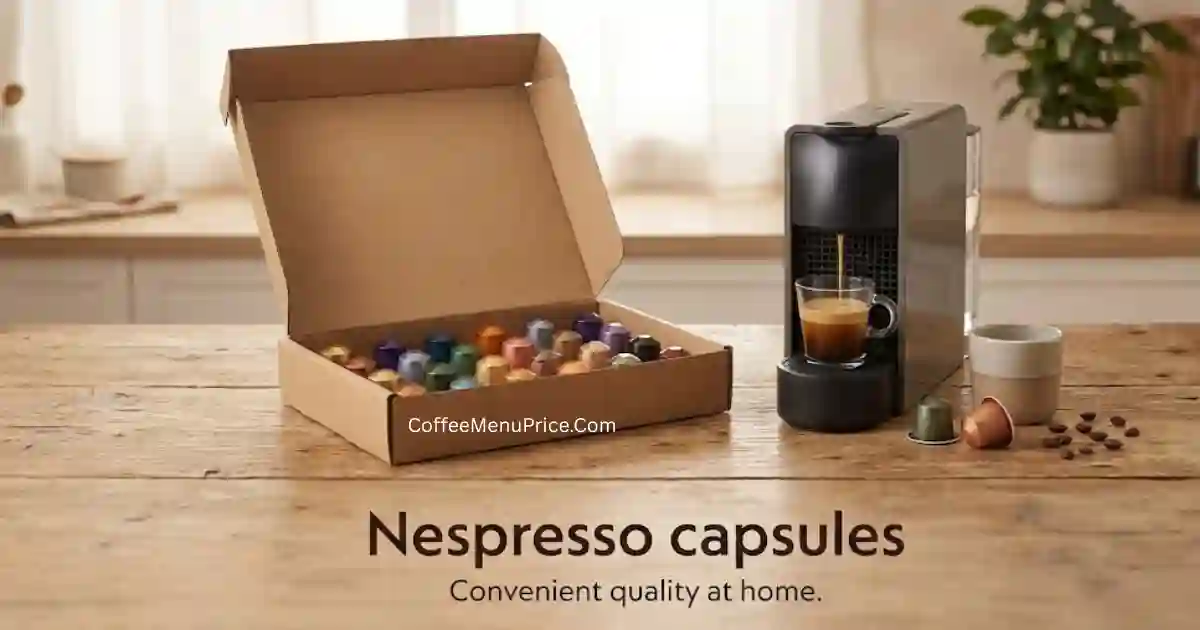
The way the world consumes coffee changed forever with the invention of the single-serve pod system. In 2025, the market is dominated by one name that has become synonymous with luxury and convenience: Nespresso capsules. Whether you are rushing to work on a Monday morning or hosting a dinner party, the promise of a consistent, barista-style espresso at the touch of a button is undeniably attractive.
However, the ecosystem of Nespresso capsules has expanded significantly. It is no longer just about choosing between a mild or strong roast. Today, consumers must navigate between different machine technologies (Original vs. Vertuo), a flood of third-party compatible pods, and complex discussions regarding environmental sustainability. This comprehensive guide explores everything you need to know to get the most out of your machine.
OriginalLine vs. VertuoLine: Understanding the Difference
The most common point of confusion for new users is the difference between the two primary types of Nespresso capsules. These two systems are not interchangeable, as they use completely different extraction technologies to brew coffee.
The OriginalLine uses high-pressure extraction (19 bars) similar to a traditional espresso machine. These capsules look like small thimbles and are designed primarily for Ristretto (25ml), Espresso (40ml), and Lungo (110ml). This system is preferred by espresso purists.
The VertuoLine, introduced later, caters to the North American preference for large mugs of coffee. These Nespresso capsules are dome-shaped and use "Centrifusion" technology—spinning the pod at 7,000 rotations per minute to blend water and coffee. The key feature here is the barcode on the rim of the capsule, which tells the machine exactly how to brew that specific blend.
The Rise of Third-Party Compatible Capsules
Since the expiration of key patents on the OriginalLine design, the market for compatible Nespresso capsules has exploded. In 2025, you are no longer restricted to buying directly from the manufacturer. Specialty roasters and even local coffee shops now package their high-quality beans in compatible pods.
This competition has been fantastic for the consumer. It has driven innovation in three key areas:
- Specialty Coffee Access: You can now find single-origin, high-altitude Arabica beans from Ethiopia or Panama in pod format, offering flavor notes of jasmine and blueberry previously reserved for pour-over brewing.
- Material Innovation: While official pods use aluminum, third-party brands have pioneered compostable plant-based plastics and paper filters to reduce waste.
- Price Variety: Compatible capsules offer a wider price range, from budget-friendly supermarket options to ultra-premium artisanal pods.
Deciphering Intensity and Flavor Profiles
When shopping for Nespresso capsules, you will notice a number on the sleeve, usually ranging from 1 to 13. This is the "Intensity" scale. It is important to note that intensity refers to the degree of roasting, body, and bitterness—not the amount of caffeine.
A capsule with an intensity of 4 (like the Volluto) will be light, sweet, and biscuit-like. A capsule with an intensity of 12 or 13 (like the Kazaar or Napoli) will be syrupy, extremely dark, and smoky. According to coffee experts at CoffeeGeek , choosing the right intensity is crucial for milk-based drinks. If you love lattes, aim for an intensity of 8 or higher so the coffee flavor cuts through the milk.
Sustainability: Aluminum vs. Plastic
The environmental impact of single-serve coffee is a hot topic. Traditional Nespresso capsules are made from aluminum. Aluminum is an excellent material for coffee preservation because it provides a total barrier against oxygen, light, and humidity, keeping the grounds fresh for months.
The downside, historically, has been waste. However, aluminum is infinitely recyclable. Nespresso's sustainability program has made strides by offering free recycling bags that can be dropped off at UPS points or boutiques. The recovered aluminum is recycled into new products (from pens to bicycles), and the coffee grounds are composted.
Conversely, many cheaper compatible pods use plastic. While some are technically recyclable, the multilayered nature of the plastic often makes them difficult for municipal facilities to process. In 2025, eco-conscious consumers are increasingly gravitating toward aluminum pods or certified home-compostable options.
Maintenance for the Best Flavor
Even the highest quality Nespresso capsules will taste poor if the machine is neglected. Over time, coffee oils and limescale build up inside the brewing chamber.
To ensure the best taste:
- Descaling: Descale your machine every 3 to 6 months depending on your water hardness. This removes mineral buildup that affects temperature and flow.
- Daily Rinse: Run a "water shot" (brew without a capsule) before and after making your coffee. This preheats the cup and cleans out old coffee residue.
- Eject Immediately: Never leave a used capsule in the chamber. It dries out and can clog the piercing needles.
Frequently Asked Questions (FAQs)
Do Nespresso capsules expire?
Technically, no. Because the coffee is hermetically sealed in aluminum, it stays fresh for a very long time. However, for optimal flavor, it is recommended to consume them within 12 months of the production date stamped on the sleeve.
Does the VertuoLine make better crema?
The VertuoLine produces a very thick, generous layer of foam, which Nespresso calls "crema." However, traditionalists argue this is actually aerated foam caused by the spinning action, distinct from the dense, CO2-rich crema produced by the high pressure of the OriginalLine machines.
Can I use milk in the water tank?
Absolutely not. Putting milk in the water reservoir will damage the internal heating element and breed bacteria. Always use a separate milk frother (like the Aeroccino) or a machine with a built-in steam wand.
Are reusable pods worth it?
Reusable stainless steel pods are the most eco-friendly option. However, they require you to grind your own beans to a specific fineness and tamp them correctly. It sacrifices the "convenience" factor but can save money in the long run.
How much caffeine is in a Nespresso capsule?
An OriginalLine espresso capsule typically contains 55-65mg of caffeine. A Lungo contains slightly more due to the longer extraction. Vertuo capsules vary widely by size, with a standard Mug capsule (230ml) containing roughly 160-170mg of caffeine.
Final Thoughts
The world of Nespresso capsules has matured into a diverse landscape that caters to everyone from the casual drinker to the coffee aficionado. Whether you stick to the consistency of the official blends or explore the adventurous world of third-party specialty pods, the technology allows for a premium experience at home.
As we move further into 2025, the focus on sustainable brewing practices continues to grow. By choosing recyclable aluminum pods or compostable alternatives, you can enjoy your daily ritual while minimizing your environmental footprint. The perfect cup is out there—you just have to find the right capsule.
Ready to compare coffee prices yourself?
Start comparing prices across countries and save on your daily caffeine fix!
Start Compare Manually