The Renaissance of Instant Coffee in 2025
From emergency rations to specialty brews: exploring the technology, convenience, and surprising quality of soluble coffee
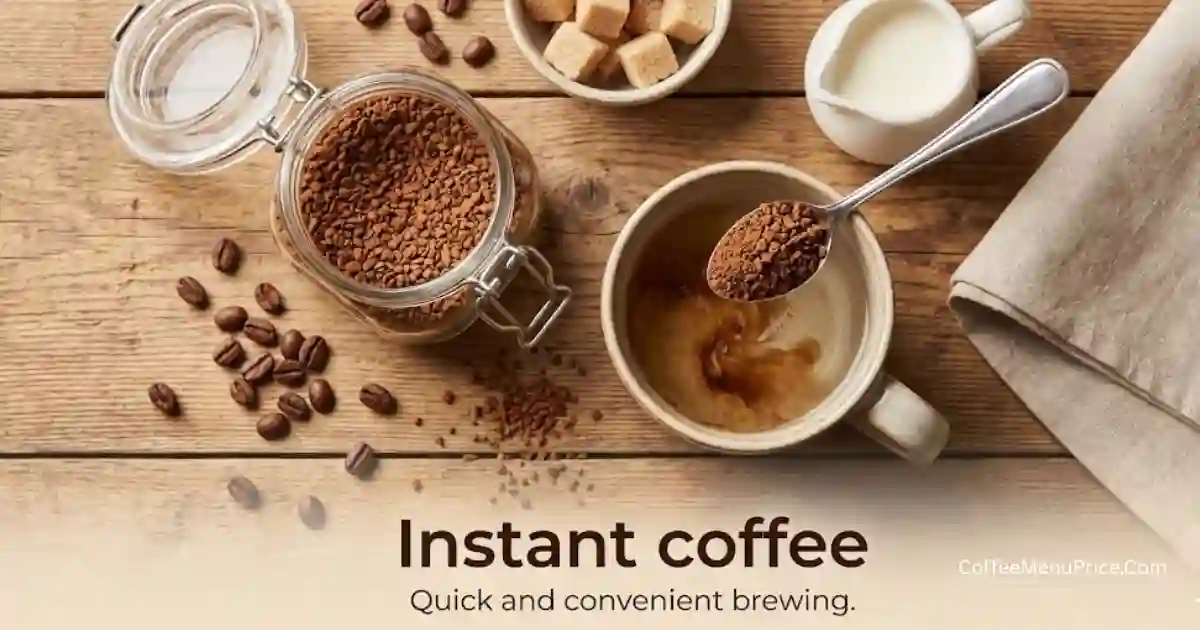
For decades, instant coffee was the black sheep of the coffee family—a last resort for desperate travelers, busy students, or office workers stuck with a broken kettle. It was often characterized by a burnt, acrid taste and a granular texture that dissolved into disappointment. However, as we settle into 2025, the narrative has shifted dramatically. Driven by technological advancements and a demand for convenience without compromise, instant coffee is experiencing a global renaissance.
Today, "specialty instant" is no longer an oxymoron. Top-tier roasters are freeze-drying single-origin beans, preserving delicate floral and fruity notes that were previously lost in mass production. Whether you are an outdoor enthusiast looking for a lightweight brew or a busy professional seeking efficiency, understanding the modern landscape of instant coffee is essential. This guide explores how it is made, why it is better than ever, and how to choose the best jar for your pantry.
What Exactly is Instant Coffee?
At its core, instant coffee is simply brewed coffee that has had nearly all of its water content removed. Unlike ground coffee, which consists of fibrous beans that must be filtered out, instant granules are soluble solids. When you add hot water, you are essentially rehydrating the brew.
The journey from bean to crystal involves roasting, grinding, and brewing the coffee in industrial extractors. Once the concentrated liquid coffee is produced, it must be dried. There are two primary methods used today, and they yield vastly different results in quality:
- Spray-Drying: Liquid coffee is sprayed into a stream of hot air. The heat dries the droplets instantly, turning them into fine powder. While cheap and fast, the high heat often destroys the natural flavor oils, resulting in the bitter taste many associate with traditional brands.
- Freeze-Drying: The coffee concentrate is frozen to about -40°F and placed in a vacuum. The ice is removed through sublimation (turning directly from solid to gas). This method preserves the aromatic compounds and cellular structure of the bean, making it the preferred method for premium instant coffee.
The Rise of "Specialty Instant"
The biggest trend in 2025 is the entry of the "Third Wave" coffee movement into the soluble market. Historically, instant coffee was made from low-grade Robusta beans, which are high in caffeine but harsh in flavor. Today, specialty roasters are using 100% Arabica beans sourced from specific regions like Ethiopia or Colombia.
According to industry reports from the National Coffee Association , consumption of premium instant products has risen significantly among younger demographics. Companies are now collaborating with technology firms to create crystals that dissolve perfectly in both hot and cold water, making iced lattes easier than ever. This shift proves that convenience does not have to come at the expense of quality.
Health Benefits: Is Instant Good for You?
A common myth is that instant coffee is overly processed and unhealthy. In reality, it is nutritionally very similar to regular brewed coffee, with a few distinct advantages.
Antioxidant Powerhouse: Because of the concentration process, instant coffee can actually contain higher amounts of certain antioxidants per cup compared to other brewing methods. It is rich in phenols and nutrients that support liver health.
Lower Caffeine Content: Generally, a cup of instant contains slightly less caffeine (30-90mg) than a cup of drip coffee (70-140mg). This makes it an excellent option for those who want to reduce their intake without cutting it out completely.
However, one compound to be aware of is acrylamide, a chemical formed during the roasting of coffee beans. Research cited by Healthline indicates that instant coffee may contain twice as much acrylamide as fresh roasted coffee. While the amounts are still well within safe limits set by food safety authorities, it is a factor for the hyper-health-conscious to consider.
Instant vs. Ground Coffee: The Sustainability Angle
In an era focused on climate change, instant coffee has a surprising environmental edge. The brewing process happens at the factory on a massive scale, which is often more energy-efficient than millions of individual kettles and espresso machines running worldwide.
Furthermore, there are no spent coffee grounds to dispose of at home (a significant source of household waste), and the product is much lighter and more compact to transport. This drastically reduces the carbon footprint associated with shipping. Packaging innovation is also moving toward compostable sachets, further enhancing the eco-friendly credentials of modern instant coffee brands.
How to Make Instant Coffee Taste Like a Barista Brew
Even with high-quality freeze-dried granules, preparation matters. Many people ruin their cup by scorching the crystals. Here is a simple ritual to elevate your morning cup:
- Dissolve in Cold Water First: Mix your teaspoon of instant coffee with a splash of cold water. Stir until it becomes a liquid paste. This protects the delicate starches from burning when hot water is added.
- Mind the Temperature: Never use boiling water (212°F/100°C). It brings out acidity and bitterness. Aim for 175°F to 185°F (80°C-85°C).
- The Ratio Matters: A standard ratio is 1 teaspoon (approx 2g) to 6-8 ounces of water. Adjust for strength, but do not overload it, as it can become metallic.
- Add Fat: A splash of oat milk or cream binds to the polyphenols, smoothing out the texture and reducing astringency.
The Best Uses for Instant Coffee Beyond the Mug
One of the greatest strengths of instant coffee is its versatility in the kitchen. Because it is a concentrated flavor source that does not add liquid volume, it is a secret weapon for bakers and chefs.
Baking: Adding a teaspoon of espresso powder or fine instant granules to chocolate cake batter or brownie mix amplifies the chocolate flavor without making the dessert taste like coffee.
Cooking: It works wonders in dry rubs for steak or pork. The earthiness of the coffee complements the savory umami of the meat and helps create a beautiful dark crust.
Whipped Coffee (Dalgona): The viral trend from a few years ago relies entirely on the unique surfactant properties of instant coffee. You cannot achieve that stiff, meringue-like foam with regular espresso or drip coffee.
Frequently Asked Questions (FAQs)
Does instant coffee expire?
Technically, instant coffee has a very long shelf life—often up to 20 years if sealed properly. However, once opened, moisture is the enemy. It will not make you sick, but it will lose flavor and clump up. It is best consumed within 1-2 months of opening for optimal taste.
Why does some instant coffee taste sour?
Sourness usually indicates under-extraction during the manufacturing process or the use of high-acid beans. However, if you are using boiling water, you might be highlighting the natural acids unpleasantly. Try letting your water cool for a minute before pouring.
Is there decaf instant coffee?
Yes, and it is widely available. Look for brands that use the "Swiss Water Process" for decaffeination. This chemical-free method uses water to remove caffeine before the beans are roasted and freeze-dried, ensuring a cleaner flavor.
Can I make cold brew with instant coffee?
Absolutely. Since it is already soluble, you do not need to wait 12 hours. simply mix the granules with cold water and ice. It is the fastest way to get an iced coffee, though purists will argue it lacks the heavy body of traditional cold brew.
What is "Microground" coffee?
Microground is a hybrid style where very finely ground whole beans are mixed with soluble instant coffee. This gives the cup more body and a sediment at the bottom, mimicking the mouthfeel of a French Press or drip coffee. Starbucks VIA is a famous example of this style.
Final Thoughts
The stigma surrounding instant coffee is fading as rapidly as the crystals dissolve in your cup. In 2025, it represents a perfect intersection of heritage and innovation. It acknowledges the fast-paced nature of modern life without asking us to sacrifice the joy of a delicious roast.
Whether you keep a jar of premium freeze-dried Arabica for your busy mornings, or you rely on it for your culinary experiments, there is no denying its utility. As technology improves and sustainability becomes paramount, the humble jar of soluble coffee has earned its place on the top shelf. So next time you see "instant" on the label, do not turn away—you might just find your new favorite brew.
Ready to compare coffee prices yourself?
Start comparing prices across countries and save on your daily caffeine fix!
Start Compare Manually