The Connoisseur's Guide to Gourmet Coffee (2025)
Decoding bean grades, origins, and how to identify true premium quality in a saturated market
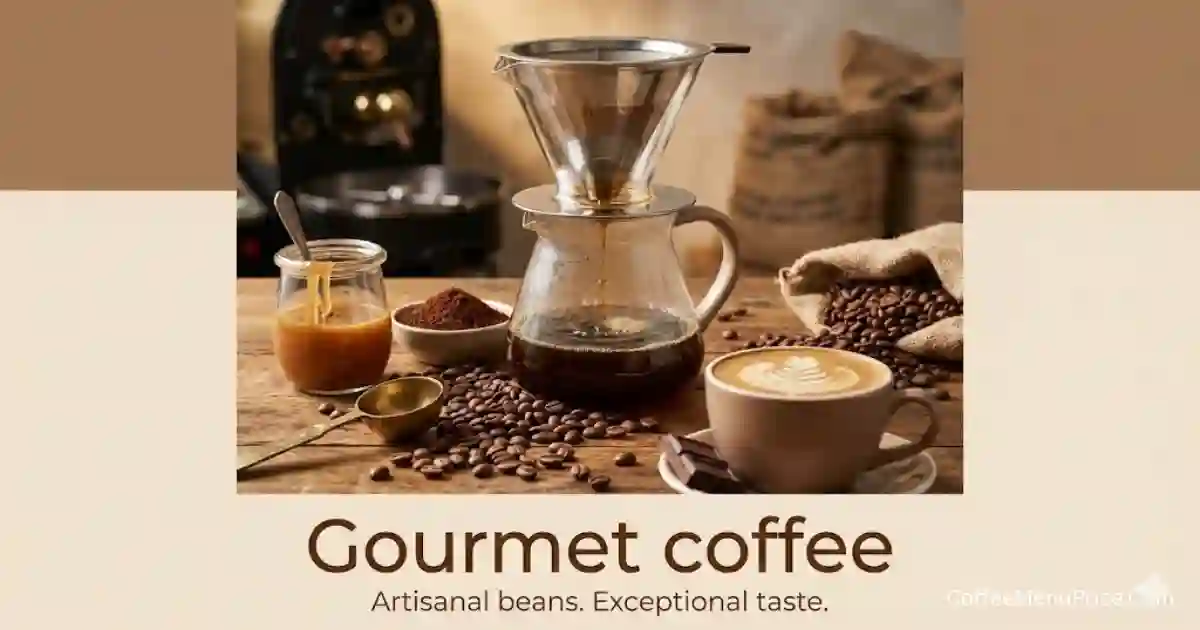
For decades, coffee was viewed merely as a utilitarian beverage—a bitter, dark liquid consumed solely for a morning energy boost. However, the landscape has shifted dramatically. In 2025, the pursuit of gourmet coffee has become a global phenomenon, mirroring the complexity and appreciation found in the worlds of fine wine and craft beer. Consumers are no longer satisfied with generic "premium" labels; they are demanding transparency, traceability, and exotic flavor profiles.
But with marketing buzzwords plastered on every bag in the supermarket aisle, distinguishing between genuine high-end beans and overpriced commodity crops can be difficult. True gourmet coffee is defined by strict agricultural standards, meticulous processing methods, and artisanal roasting techniques. This comprehensive guide will explore what actually qualifies coffee as "gourmet," the economics behind the price tag, and how you can brew a cup that rivals the best cafés in the world.
Defining Gourmet Coffee: Marketing vs. Reality
The term gourmet coffee is often used loosely in marketing, but in the industry, it usually refers to high-quality Arabica beans that score well on the grading scale. While "Specialty Coffee" is the technical term for beans scoring 80 points or above on a 100-point scale, "gourmet" serves as the broader consumer category for premium beans that offer superior flavor clarity compared to mass-market options.
Unlike commercial coffee, which often utilizes the hardier but bitter Robusta species, gourmet coffee is almost exclusively made from 100% Arabica beans grown at high altitudes. These higher elevations cause the coffee cherries to mature more slowly, developing complex sugars and acidic notes that translate into flavors of fruit, floral, chocolate, and spice. According to the National Coffee Association (NCA) , identifying the origin and altitude is the first step in verifying the quality of your purchase.
The Three Pillars of Gourmet Quality
To understand why some beans cost $50 a pound while others cost $10, you must look at the three distinct stages of production. A failure in any one of these steps disqualifies a coffee from being truly gourmet.
- Cultivation (Terroir): Just like wine, coffee takes on the characteristics of the soil. Volcanic soil in regions like Guatemala or Hawaii produces vastly different profiles than the clay-rich soils of Brazil.
- Processing: This is how the fruit is removed from the bean. "Natural process" (drying the fruit on the seed) creates berry-like sweetness, while "Washed process" results in a clean, crisp cup.
- Roasting: A gourmet roaster highlights the bean's natural flavor. They avoid "dark roasting" merely to hide defects, instead roasting to a level that balances acidity and body.
In 2025, we are also seeing a rise in experimental processing methods, such as anaerobic fermentation, which pushes the boundaries of what gourmet coffee can taste like.
Top Gourmet Coffee Regions to Know
If you are looking to expand your palate, you should seek out single-origin beans from specific renowned regions. While blends have their place for consistency, single-origin coffees allow you to taste the unique "terroir" of a specific farm.
1. Ethiopian Yirgacheffe
Often considered the birthplace of coffee, Ethiopia produces beans that are tea-like, floral, and citrusy. A high-quality washed Yirgacheffe is the quintessential gourmet coffee experience for those who prefer brightness over bitterness.
2. Colombian Geisha
While Colombia is known for standard breakfast blends, the Geisha varietal grown in Colombian micro-climates is one of the most expensive and sought-after coffees in the world. It offers distinct notes of jasmine and stone fruit.
3. Jamaican Blue Mountain
Strictly regulated by the Jamaica Agricultural Commodities Regulatory Authority , this coffee is famous for its lack of bitterness and incredibly smooth finish. Because of limited growing space and high demand from Japan, authentic Blue Mountain remains a luxury item.
The Health Benefits of Premium Beans
Beyond flavor, switching to gourmet coffee may offer health advantages. Mass-market coffees often contain higher levels of molds (mycotoxins) due to poor storage and lower quality control standards. Premium beans are hand-sorted and processed with hygiene as a priority.
Furthermore, light to medium roasts—common in the gourmet sector—retain higher levels of Chlorogenic Acid, a powerful antioxidant that helps regulate blood sugar and metabolism. Medical studies cited by Healthline suggest that high-quality coffee consumption is linked to longevity and reduced risk of neurodegenerative diseases.
Does "Gourmet" Mean Flavored?
This is a common misconception. In the 1990s, "gourmet" was often synonymous with Hazelnut or French Vanilla flavored beans. In the modern industry, however, true gourmet coffee does not use artificial flavorings.
When a bag of Ethiopian beans says "notes of blueberry," it does not mean blueberry syrup was added. It means the chemical compounds developed during fermentation and roasting naturally mimic the flavor of blueberries. Purists argue that adding artificial oil to beans ruins the grinder and masks the actual quality of the agricultural product.
The Economics: Why Pay More?
When you buy a $25 bag of gourmet coffee, the money is distributed differently than with a $8 grocery store tub. The "C-Market" price for commodity coffee often leaves farmers in poverty. In contrast, the gourmet and specialty sector operates on transparency.
- Fairer Wages: Direct trade models ensure farmers receive 2-3x the commodity price, incentivizing them to maintain high quality.
- Quality Control: Skilled "Q-Graders" taste-test these coffees. You are paying for the assurance that the cup will be defect-free.
- Sustainability: Premium farms are more likely to practice shade-growing, which preserves biodiversity and bird habitats.
How to Brew Gourmet Coffee Properly
Investing in expensive beans is pointless if the brewing method is flawed. To unlock the potential of gourmet coffee, you need to move beyond the automatic drip machine (unless it is SCA certified).
Grind Fresh: Coffee loses 60% of its aroma within 15 minutes of grinding. A burr grinder is the single most important tool for a gourmet experience.
Water Temperature: Never use boiling water, which burns the grounds. The ideal range is between 195°F and 205°F (90°C - 96°C).
Ratios: Use a digital scale. The golden ratio for most gourmet coffee is 1:16—one gram of coffee for every 16 grams of water.
Frequently Asked Questions (FAQs)
What is the difference between Gourmet and Specialty coffee?
"Specialty" is a technical grade (80+ points) assigned by certified tasters. "Gourmet" is a broader marketing term that generally implies high quality, but it is not strictly regulated. Always look for specifics like altitude and origin on the label to verify quality.
How long do gourmet beans stay fresh?
For peak flavor, beans should be consumed within 4 to 6 weeks of the roast date. After this period, they are safe to drink but will lose the vibrant "high notes" of fruit and acidity that justify the price.
Is organic coffee always gourmet?
Not necessarily. Organic refers to the farming inputs (no synthetic pesticides), while gourmet refers to the cup quality. You can have organic coffee that tastes average, and non-organic coffee that tastes spectacular. However, many top-tier producers practice organic farming by default.
Why does my gourmet coffee taste sour?
Sourness usually indicates under-extraction. This means the water passed through the coffee too quickly or was too cold. Try grinding your beans finer to slow down the brew time, or increase your water temperature.
Can I use gourmet beans for espresso?
Absolutely. In fact, modern espresso is trending toward lighter, single-origin roasts. However, these beans can be harder to dial in than traditional dark Italian roasts because they are denser and require precise grinding.
Final Thoughts
Entering the world of gourmet coffee is a journey of discovery. It changes your morning routine from a passive habit into an active sensory experience. While the terminology surrounding altitude, varietals, and processing can seem intimidating at first, the rule of thumb is simple: buy fresh, buy whole bean, and buy from roasters who are transparent about where their coffee comes from.
Whether you prefer the chocolatey depths of a Sumatra Mandheling or the floral lightness of a Panama Geisha, there is a perfect bean out there for you. By choosing quality over quantity, you not only treat yourself to a better beverage but also support a global ecosystem of farmers dedicated to agricultural excellence.
Ready to compare coffee prices yourself?
Start comparing prices across countries and save on your daily caffeine fix!
Start Compare Manually