The Comprehensive Guide to Flavored Coffee (2025)
Exploring the science of flavor infusion, nutritional myths, and how to brew the perfect gourmet cup
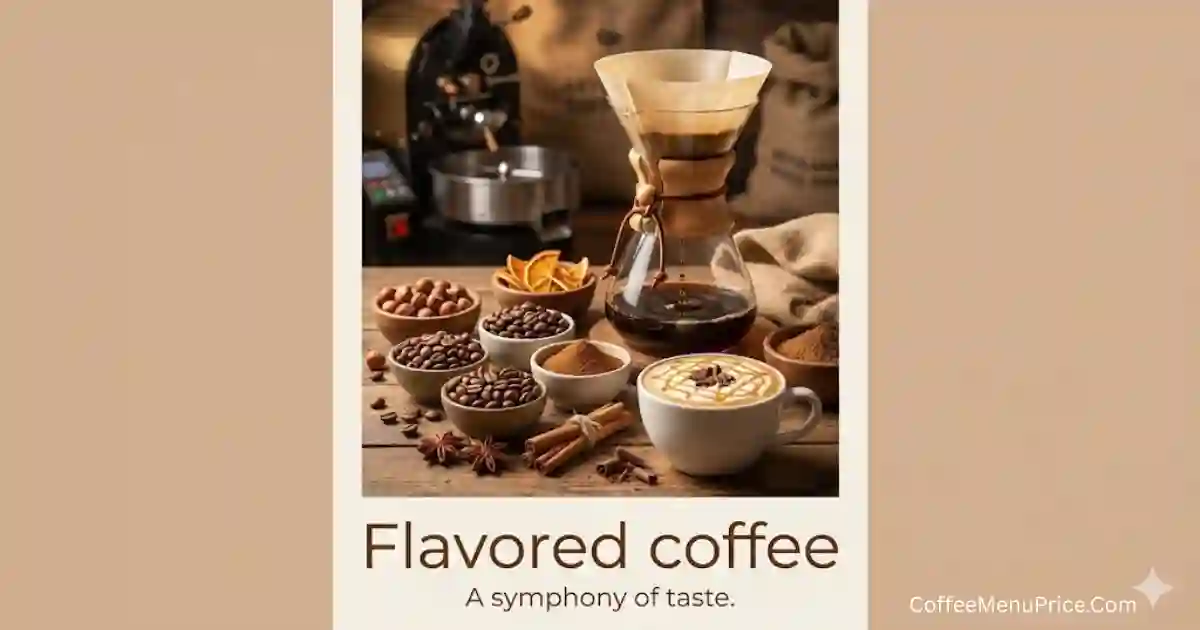
For millions of people around the world, the morning does not truly begin until the aroma of flavored coffee fills the kitchen. While coffee purists often advocate for single-origin black coffee, the flavored segment of the market has seen explosive growth, projected to reach significant market milestones by the end of 2025. From the comforting scent of French Vanilla to the seasonal hysteria surrounding Pumpkin Spice, flavoring represents a bridge between a morning caffeine necessity and a delightful dessert-like experience.
However, misconceptions abound regarding this popular beverage. Is flavored coffee bad for your health? Does it contain hidden sugars? Does the flavoring process mask inferior beans? Whether you are a casual drinker enjoying a hazelnut brew or a curious enthusiast looking to understand the manufacturing process, this guide delves deep into the world of infused coffee beans, separating marketing fluff from facts.
The History and Evolution of Flavoring
Contrary to popular belief, adding flavor to coffee is not a modern American invention born in the 1980s. The practice dates back centuries. In the Middle East, coffee has traditionally been brewed with cardamom and cinnamon to enhance its natural spiciness. In Mexico, café de olla is brewed with cinnamon and piloncillo.
The modern era of flavored coffee began in earnest when roasters realized they could apply flavoring oils directly to the beans after roasting. According to historical data from the National Coffee Association (NCA) , the popularity of flavored whole beans surged in the late 20th century as a way for consumers to enjoy variety without the calories of heavy syrups or creamers. Today, it is a sophisticated industry using both natural and nature-identical extracts.
How Is Flavored Coffee Made?
Understanding the manufacturing process is key to judging quality. The creation of flavored coffee is a precise chemical and culinary art form that involves three main stages: roasting, cooling, and infusing.
1. The Base Roast:
Roasters typically use a medium roast for flavored beans. A dark roast would overpower
the delicate vanilla or caramel notes, while a light roast might be too acidic.
Traditionally, lower-quality beans were used for flavored batches, but premium
brands in 2025 are now using high-grade Arabica beans to ensure a smooth finish.
2. The Infusion:
This is the critical moment. Flavoring agents—highly concentrated oils—are introduced
to the beans while they are still warm (but not hot enough to burn the oil). The
beans' pores are open from the roasting process, allowing them to absorb the oil
rapidly.
3. The Agitation:
The beans are tumbled in a large mixer for 15 to 30 minutes. This ensures an even
coating so that every single bean in your bag carries the same intensity of
Hazelnut, Chocolate Macadamia, or Irish Cream.
Natural vs. Artificial Flavorings
One of the most common concerns regarding flavored coffee is the source of the taste. Consumers often worry about "chemicals" in their brew. Generally, flavorings fall into two categories:
- Natural Flavorings: Extracted directly from the source (e.g., vanilla beans, cocoa beans, nuts, or berries). These are expensive and can sometimes lack the shelf-life stability needed for coffee.
- Artificial/Nature-Identical: Synthesized compounds that mimic the molecular structure of natural flavors. They are often more stable, allergen-free (crucial for nut flavors), and consistent.
It is important to note that rigorous safety standards are enforced by the U.S. Food and Drug Administration (FDA) regarding food additives. Most reputable roasters use solvents like propylene glycol (which is GRAS - Generally Recognized As Safe) to carry the flavor oil onto the bean.
Nutritional Myths: Calories and Sugars
Does drinking a cup of Chocolate Fudge coffee break your diet? This is the biggest selling point of flavored coffee beans.
The Truth: Flavored coffee beans generally contain zero calories, zero carbs, and zero sugar. The flavor comes from volatile aromatic oils, not sugary syrups. When you smell "sweetness" in a vanilla coffee, your brain perceives it as sweet due to the aroma, but the actual liquid contains no sweetener unless you add it yourself.
This makes flavored beans an excellent choice for those on Keto, Intermittent Fasting, or diabetic diets who crave indulgence without the glycemic spike.
Brewing Tips for Flavored Beans
Brewing flavored coffee requires slightly different handling than standard beans due to the added oils. These oils can be sticky and potent. To get the best cup and protect your equipment, follow these guidelines:
1. The Grinder Dilemma
Flavor oils cling to burrs. If you grind Cinnamon Sticky Bun coffee and then immediately grind a delicate Ethiopian Geisha, your Geisha will taste like cinnamon. This is called "flavor ghosting." It is highly recommended to have a dedicated cheap blade grinder or an entry-level burr grinder specifically for your flavored beans.
2. Brewing Methods
French Press: This is arguably the best method for flavored roasts. The metal mesh filter allows the flavorful oils to pass into your cup, resulting in a richer, fuller body that complements dessert-like profiles.
Paper Filters (Drip/Pour-over): Paper absorbs oils. While this produces a cleaner cup, it may reduce the intensity of the flavoring slightly. If you use a drip machine, ensure you clean the basket regularly to prevent residue buildup.
3. Storage
Because of the added oils, flavored coffee can oxidize faster than regular beans. Store them in an airtight container (like an Airscape or Planetary Design canister) in a cool, dark place. Never store them in the freezer, as the moisture can damage the oils.
Top Trending Flavors in 2025
While the classics remain dominant, the market is shifting toward more complex, culinary-inspired profiles.
- The Classics: French Vanilla, Hazelnut, Caramel, and Irish Cream remain the "Big Four."
- Dessert Inspired: Tiramisu, Crème Brûlée, and Blueberry Cobbler.
- Spiced: Pumpkin Spice (seasonal), Highland Grogg (rum and spice), and Chai-infused coffee.
- Botanical: Lavender and Rose distinct flavors are gaining traction in the specialty sector.
For those interested in exploring different profiles, resources like Coffee Science offer deep dives into how aromatic compounds interact with our olfactory system to create the perception of flavor.
Frequently Asked Questions (FAQs)
Does flavored coffee contain actual nuts or dairy?
In 99% of cases, no. Roasters use chemical extracts that mimic the flavor. This allows people with nut allergies to enjoy Hazelnut coffee safely. However, always check the bag label for allergen warnings to be absolutely sure.
Is flavored coffee lower quality?
Historically, yes. Roasters used strong flavors to mask old or bitter Robusta beans. However, the modern "Gourmet Flavored Coffee" movement uses 100% Arabica beans, ensuring the base coffee is just as high-quality as the flavoring.
Does flavored coffee have more caffeine?
No. The caffeine content is determined by the bean (Arabica vs. Robusta) and the roast level. The flavoring oil has no impact on caffeine levels.
Can I use flavored coffee in an espresso machine?
It is not recommended. The sticky oils can clog the fine internal mechanisms, group heads, and solenoid valves of espresso machines. If you must, clean the machine with detergent immediately after.
What is the shelf life of flavored beans?
Unopened, they can last 6-12 months. Once opened, the volatile flavor oils evaporate quickly. It is best to consume flavored coffee within 2 to 3 weeks of opening for maximum potency.
Final Thoughts
The world of flavored coffee offers a playful and indulgent alternative to the serious nature of specialty coffee tasting. It allows for variety and personalization, turning a standard morning routine into a treat that satisfies the sweet tooth without the dietary consequences of sugary syrups.
Whether you stick to the reliable comfort of Hazelnut or venture into exotic territory like Toasted Coconut or Salted Caramel, the key is to look for roasters who prioritize high-quality Arabica beans as the canvas for their art. In 2025, there is no reason to compromise on quality to get the flavors you love.
Ready to compare coffee prices yourself?
Start comparing prices across countries and save on your daily caffeine fix!
Start Compare Manually