The Complete Guide to Fair Trade Coffee (2025)
Understanding ethical sourcing, certification standards, and how your morning brew impacts the world
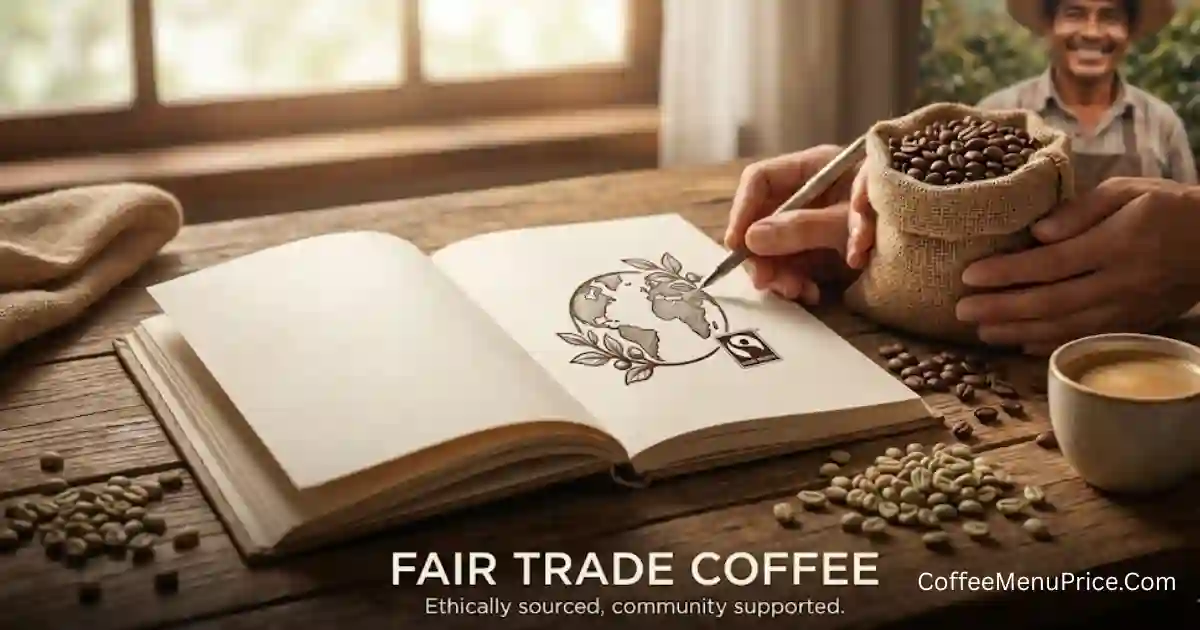
For millions of people, the day doesn't truly begin until that first cup is poured. However, as consumers become more conscious of where their products come from, the spotlight has turned intensely toward fair trade coffee. In 2025, the coffee industry is at a crossroads between mass production and ethical sustainability. Choosing a bag of beans is no longer just about roast levels or flavor notes; it is increasingly about the human and environmental cost of production.
While terms like "sustainable," "organic," and "direct trade" are thrown around frequently in marketing, fair trade coffee remains the most globally recognized standard for ensuring farmers receive a living wage. But is it worth the extra cost? Does it actually taste better? This guide dives deep into the economics, the ethics, and the flavor profiles of fair trade beans to help you make an informed decision for your daily brew.
What Is Fair Trade Coffee?
At its simplest definition, fair trade coffee refers to coffee that is certified to have been produced to fair trade standards. Fair trade organizations create trading partnerships based on dialogue, transparency, and respect, that seek greater equity in international trade. These partnerships contribute to sustainable development by offering better trading conditions to, and securing the rights of, marginalized producers and workers.
The core mechanism of fair trade coffee revolves around two financial pillars:
- The Fairtrade Minimum Price: This acts as a safety net. If the global market price for coffee (the "C-price") crashes, fair trade cooperatives are guaranteed a minimum price that covers the cost of sustainable production.
- The Fairtrade Premium: This is an extra sum of money paid on top of the selling price. This money goes into a communal fund for workers and farmers to use as they see fit—often for building schools, clinics, or improving farm infrastructure.
According to Fairtrade International , this system protects small-scale farmers from the volatility of the New York Stock Exchange, where coffee prices fluctuate wildly based on speculation rather than actual farm costs.
Why Conventional Coffee Creates Poverty
To understand the value of fair trade coffee, one must understand the conventional market. Coffee is grown primarily in the "Coffee Belt," a band of tropical regions around the equator including countries like Brazil, Vietnam, Colombia, and Ethiopia. Historically, farmers in these regions have been price-takers, meaning they have no say in what they are paid.
When the global supply of coffee is high, prices plummet. In many years, the market price drops below the cost of production. This forces farmers to cut corners—using cheap, dangerous pesticides, pulling children out of school to work the fields, or abandoning their farms entirely. By purchasing certified fair trade coffee, consumers help break this cycle of poverty by ensuring that the people cultivating the beans can afford basic necessities.
Fair Trade vs. Direct Trade vs. Organic
Navigating coffee labels can be confusing. It is crucial to distinguish fair trade coffee from other popular certifications, as they are not mutually exclusive but serve different purposes.
1. Fair Trade Certified
This is a third-party certification (like Fairtrade America or Fair Trade USA). It focuses heavily on social and economic justice, labor rights, and democratic organization of cooperatives.
2. Direct Trade
"Direct Trade" is not a formal certification but a philosophy used by specialty roasters. It implies the roaster buys directly from the farmer, cutting out middlemen. While this often results in higher pay for the farmer than even fair trade, it lacks external oversight. You have to trust the roaster's word.
3. Organic Certification
Organic focuses on the environment—specifically, growing without synthetic fertilizers or pesticides. While many fair trade coffee producers are also organic (nearly 50% of fair trade coffee is also organic), one does not automatically guarantee the other.
Does Fair Trade Coffee Taste Better?
There is a persistent myth that ethical coffee is "charity coffee" and therefore lower quality. Decades ago, this may have had some truth, but in 2025, the narrative has flipped. Fair trade coffee often boasts superior flavor profiles compared to commodity coffee.
The logic is simple: farmers who are paid fairly can afford to invest in their crops. They can practice better soil management, hand-pick only the ripest cherries (rather than machine-stripping unripe ones), and process the beans with greater care. The Specialty Coffee Association (SCA) notes that higher incentives for farmers correlate directly with higher cupping scores. When you drink fair trade, you are often tasting the result of a farmer who has the financial security to care about quality.
The Environmental Connection
While the primary focus of fair trade is human rights, the environmental standards are rigorous. To become certified, farmers are prohibited from using harmful agrochemicals and GMOs. They are also encouraged to protect biodiversity.
Many fair trade coffee farms utilize shade-grown techniques. Unlike sun-grown coffee, which requires clear-cutting forests to plant high-yield bushes, shade-grown coffee grows under a canopy of native trees. This preserves the habitat for migratory birds and maintains soil health. By supporting fair trade, you are inadvertently supporting the fight against climate change and deforestation in sensitive tropical ecosystems.
Understanding the Price Tag
It is true that fair trade coffee typically costs $2 to $5 more per bag than mass-market grocery store brands. However, it is generally competitive with other specialty coffees.
- Certification Fees: Cooperatives pay fees to auditors to prove they are compliant.
- Labor Costs: Paying workers a legal minimum wage increases harvest costs.
- Community Investment: Part of the price you pay is the "Premium" that builds infrastructure.
When you buy a cheap $8 canister of coffee, the low price is often subsidized by the poverty of the producer. The "extra" cost of fair trade is simply the real cost of producing coffee without exploitation.
Frequently Asked Questions (FAQs)
How do I know if my coffee is truly Fair Trade?
Look for the official certification seals on the bag. The most common are the blue and green mark of Fairtrade International (FLO) or the black and white logo of Fair Trade USA. If a bag says "ethically sourced" without a logo, it is a marketing claim, not a verified certification.
Is Starbucks coffee Fair Trade?
Starbucks is one of the largest purchasers of fair trade coffee in the world, but not all their coffee is certified. They use their own internal verification program called C.A.F.E. Practices. While robust, it is different from the independent Fairtrade International standard.
Can Fair Trade coffee be decaf?
Absolutely. The certification applies to the farm and the trading conditions, not the caffeine content. You can find Swiss Water Process decaf that is also fair trade certified, which is an excellent chemical-free and ethical choice.
Does Fair Trade money actually reach the farmers?
Yes. Rigorous audits are conducted by organizations like FLOCERT to ensure the Minimum Price and Premium are paid to the cooperative. However, how the cooperative spends that money is decided democratically by the farmers themselves, ensuring the funds address their specific local needs.
Is Fair Trade coffee better for my health?
Indirectly, yes. Because fair trade coffee standards strictly prohibit the use of the most dangerous pesticides and herbicides (which are common in non-regulated farming), you are consuming a cleaner product. For the highest purity, look for beans that are dual-certified Fair Trade and Organic.
Final Thoughts: Voting with Your Wallet
In 2025, coffee is more than just a beverage; it is a global connector. Every time you purchase a bag of fair trade coffee, you are casting a vote for the kind of world you want to live in. You are voting for a world where hard work is rewarded with a living wage, where children go to school instead of the fields, and where farming respects the environment.
The switch to fair trade is a small adjustment to your morning routine, but it creates a massive ripple effect across the globe. Whether you prefer a light roast Ethiopian or a dark roast Sumatran, seeking out that certification seal ensures that your enjoyment doesn't come at someone else's expense.
Ready to compare coffee prices yourself?
Start comparing prices across countries and save on your daily caffeine fix!
Start Compare Manually