The Ultimate Guide to Espresso (2025)
Mastering the art, science, and history of the world's most concentrated coffee
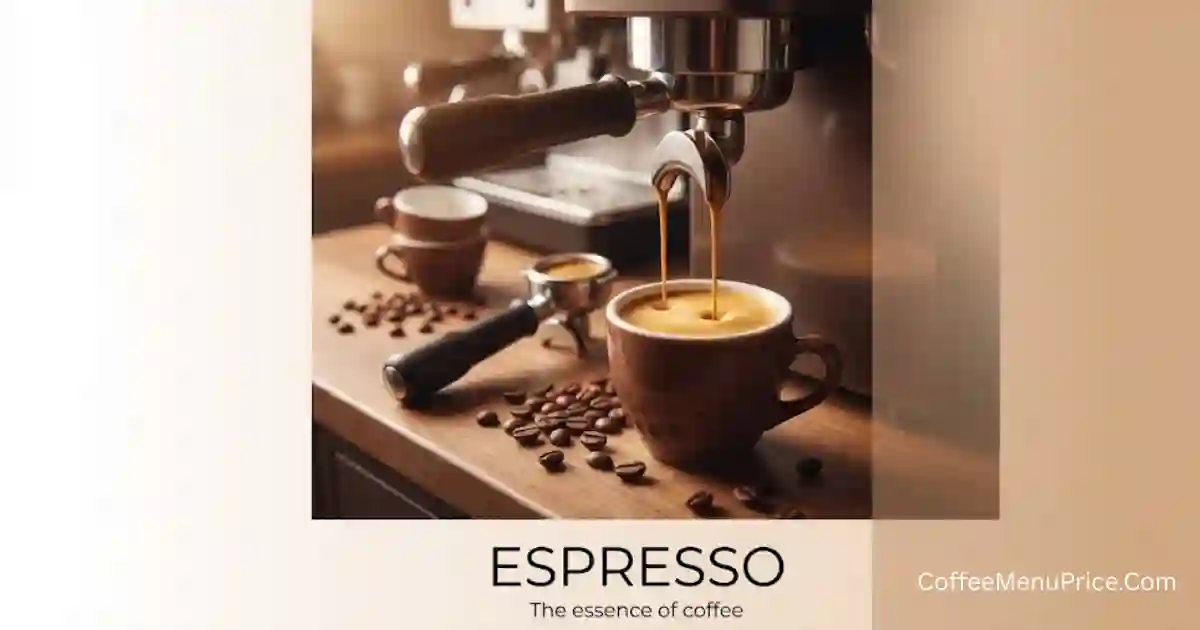
There is perhaps no beverage more revered, complex, and misunderstood than espresso. It is the beating heart of coffee culture, serving as the foundation for the cappuccinos, lattes, and flat whites consumed by millions every morning. Yet, despite its ubiquity in cafes from Rome to Seattle, true espresso remains an enigma to many. Is it a bean? A roast style? Or a brewing method?
As we navigate the sophisticated coffee landscape of 2025, understanding the mechanics behind this concentrated elixir is essential for anyone looking to elevate their home brewing game. A perfect shot is a symphony of chemistry and physics, balancing pressure, temperature, and time to extract a rich, syrupy liquid topped with golden crema. This comprehensive guide will take you deep into the world of espresso, exploring its history, the science of extraction, and how you can achieve cafe-quality results in your own kitchen.
What Exactly Is Espresso?
Contrary to popular belief, espresso is not a specific type of coffee bean. You can technically make it using any bean, from a light roast Ethiopian to a dark roast Sumatran. Instead, espresso is defined by the method of preparation.
According to the technical standards set by the Specialty Coffee Association (SCA) , espresso is a 25–35ml beverage prepared from 7–9 grams of coffee through which clean water of 195°F–205°F (90.5°C–96.1°C) has been forced at 9–10 atmospheres of pressure, and where the grind of the coffee is such that the brewing time is 20–30 seconds.
The defining characteristic that separates it from drip coffee or French press is the application of pressure. This pressure emulsifies the insoluble oils in the coffee, creating the signature layer of foam known as "crema." This layer traps the volatile aromatics, providing an intense flavor experience and a lingering aftertaste that other brewing methods simply cannot replicate.
The Anatomy of a Perfect Shot
When a barista hands you a demitasse cup, you are looking at three distinct layers, each contributing to the overall sensory experience of the espresso.
- The Heart: The bottom layer, which is deep brown in color. It contains the heavy qualities, bitterness, and acidity that balance the sweetness.
- The Body: The middle layer, usually a caramel-brown color. This is the core of the espresso, where the soluble solids reside.
- The Crema: The golden, foamy top layer. It is composed of proteins, sugars, and emulsified oils. A thick, persistent crema is often a visual indicator of a fresh roast and proper extraction.
The Four M's of Espresso
In Italy, where the modern espresso machine was invented, baristas follow the rule of the "Four M's" (Quattro M) to ensure consistency and quality.
1. Miscela (The Blend)
The journey begins with the bean. While single-origin coffees are popular in the "Third Wave" movement for highlighting specific terroir, traditional Italian espresso often utilizes a blend. Blending Arabica beans (for acidity and flavor) with a small percentage of high-quality Robusta (for crema and body) creates a balanced shot that cuts through milk effectively.
2. Macinazione (The Grind)
This is widely considered the most critical variable. Espresso requires a very fine grind—similar to table salt or powdered sugar. If the grind is too coarse, water flows through too fast (under-extraction), resulting in a sour, watery shot. If it is too fine, the water is blocked (over-extraction), leading to a bitter, burnt taste.
3. Macchina (The Machine)
You cannot make true espresso without a machine capable of generating 9 bars of pressure. While steam-driven machines exist, pump-driven machines are the industry standard. High-end consumer machines now feature PID temperature controllers and dual boilers, allowing home enthusiasts to maintain the thermal stability required for consistency.
4. Mano (The Hand)
The skill of the barista. This involves "dosing" the correct amount of coffee and "tamping" (compressing) the grounds evenly with about 30 pounds of pressure. An uneven tamp causes "channeling," where water finds the path of least resistance, ruining the extraction.
Espresso vs. Drip Coffee: The Health Perspective
A common myth is that a shot of espresso has more caffeine than a mug of drip coffee. While espresso has a higher concentration of caffeine per ounce, the serving size is much smaller. A standard double shot (2oz) typically contains 60-100mg of caffeine, whereas a 12oz cup of drip coffee can contain 120-160mg.
However, espresso is richer in antioxidants due to the pressure extraction method. Studies referenced by the National Coffee Association suggest that moderate consumption of filtered coffee beverages can be linked to improved cognitive function and metabolic health.
Decoding the Espresso Menu
Once you have mastered the shot, you open the door to a vast menu of beverages. Understanding the ratios is key to ordering or making exactly what you want.
- Ristretto: A "restricted" shot. Uses less water for the same amount of coffee (1:1 ratio), resulting in a sweeter, more concentrated flavor.
- Lungo: A "long" shot. Uses more water, resulting in a thinner, more bitter extraction often preferred in Europe.
- Macchiato: Espresso "marked" with a dollop of milk foam.
- Cortado: Equal parts espresso and steamed milk (1:1 ratio), popular in Spain and Latin America.
- Americano: Espresso diluted with hot water to mimic the strength of drip coffee while retaining the flavor profile of the shot.
The Rise of Home Espresso in 2025
The home espresso market has transformed radically over the last decade. In 2025, prosumer machines (professional grade for consumers) like the La Marzocco Linea Mini or the Rocket Apartamento are common in households.
However, the most important investment for home brewing is the grinder. Experts universally agree that a high-quality burr grinder is more important than the machine itself. A consistent particle size ensures that every granule extracts at the same rate. Without a capable grinder, even a $5,000 espresso machine will produce mediocre coffee.
Troubleshooting Your Shot
Achieving the "God Shot" takes practice. Here are common issues and how to fix them:
The Shot is Sour: This is under-extraction. The water moved too fast. Fix: Grind finer or increase the dose.
The Shot is Bitter/Dry: This is over-extraction. The water moved too slow or burned the coffee. Fix: Grind coarser or lower the water temperature.
No Crema: The beans may be stale. Espresso relies on CO2 trapped in the beans to create crema. If your beans were roasted more than 6 weeks ago, getting good crema will be nearly impossible.
Frequently Asked Questions (FAQs)
Do I need a special "Espresso Roast" to make espresso?
No. "Espresso Roast" is simply a marketing term typically used for darker roasts that are more soluble and produce less acidity. You can use any coffee bean, but medium to dark roasts are generally easier to dial in for beginners.
How many bars of pressure is best?
While marketing for cheap machines often boasts "15 bars" or "20 bars," the industry standard for true espresso is 9 bars. Excessive pressure can actually compress the puck too much and lead to uneven extraction.
Why is my espresso cold?
Espresso is a small volume of liquid that loses heat rapidly. Ensure your cups are pre-heated on top of the machine or with hot water. Also, check that your machine has had at least 20-30 minutes to fully warm up the portafilter handle.
Can I make espresso without a machine?
Technically, no. Devices like the Moka Pot or AeroPress make strong, concentrated coffee that is delicious, but they do not generate the 9 bars of pressure required to create true espresso or emulsify the oils into crema.
What is the shelf life of espresso beans?
For peak performance, beans should be used between 7 days and 45 days after the roast date. In the first few days, the beans degas too much CO2 (making the shot bubbly), and after 6 weeks, they lose the volatile aromatics that make the shot special.
Final Thoughts
Espresso is more than just a quick caffeine fix; it is a ritual that combines engineering, culinary art, and chemistry. Whether you are visiting a local specialty cafe or pulling shots on your kitchen counter, understanding the mechanics behind the brew enriches the experience.
The pursuit of the perfect espresso is a lifelong journey of tweaking grind settings, tasting nuances, and appreciating the complexity of the coffee bean. It may be frustrating at times, but when you finally pull that sweet, syrupy shot with a tiger-striped crema, you realize it is worth every bit of effort.
Ready to compare coffee prices yourself?
Start comparing prices across countries and save on your daily caffeine fix!
Start Compare Manually