The Ultimate Guide to Coffee Tasting Events (2025)
Master the art of the cupping spoon, discover local festivals, and elevate your sensory skills
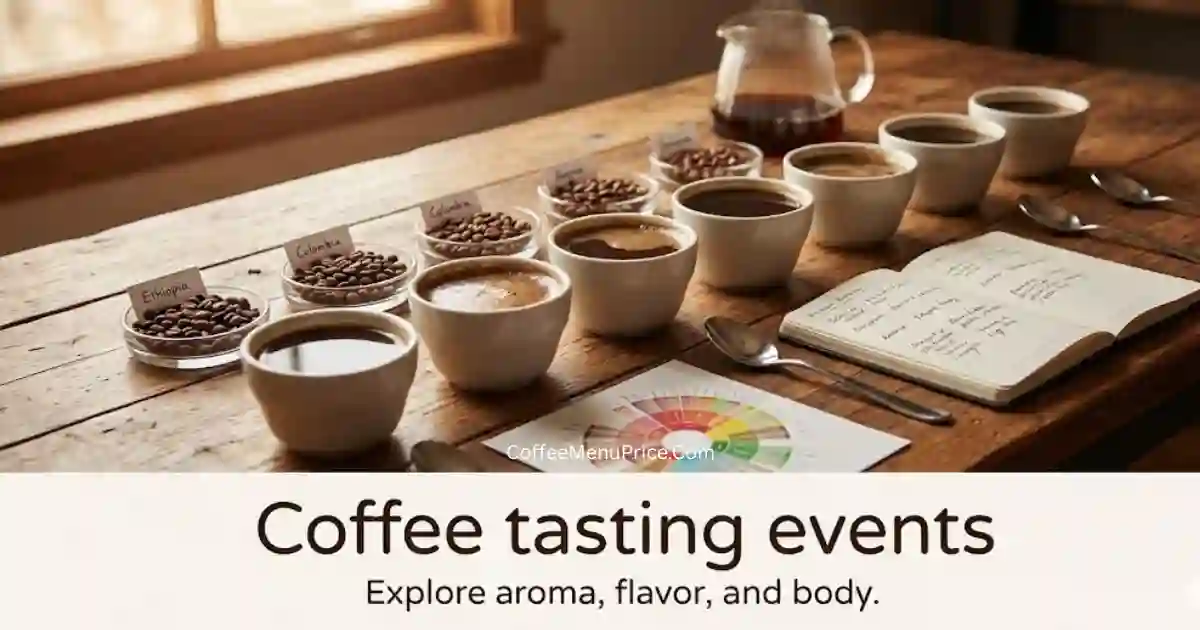
In the evolving world of specialty beverages, coffee tasting events have transformed from obscure industry gatherings into vibrant social phenomena. As we embrace 2025, the culture surrounding the "third wave" of coffee has reached new heights. It is no longer enough to simply consume caffeine for energy; enthusiasts now seek to understand the journey from bean to cup, the nuances of terroir, and the delicate art of roasting.
Whether known as public cuppings, sensory workshops, or grand festivals, these gatherings offer a window into the complexity of your morning brew. Attending coffee tasting events provides a unique opportunity to refine your palate, meet local roasters, and explore exotic origins you might never brew at home. This guide will walk you through what to expect, how to participate like a pro, and why these events are the fastest way to become a coffee connoisseur.
What Actually Happens at Coffee Tasting Events?
If you have never attended one, the concept might seem intimidating. However, the modern coffee community is remarkably welcoming. Most coffee tasting events center around a practice called "cupping." This is the industry-standard method for evaluating the aroma and flavor profile of coffee.
The process usually follows a strict protocol set by organizations like the Specialty Coffee Association (SCA) . Participants move around a table where bowls of freshly ground coffee are set out. You first evaluate the dry fragrance, then hot water is added to assess the wet aroma. Finally, after the grounds settle and a "crust" forms, you break the crust with a spoon and slurp the coffee to evaluate the taste.
The "Slurp": Why It Matters
At coffee tasting events, you will hear a lot of loud slurping. While this might be considered rude at the dinner table, in the tasting room, it is essential. Slurping aerates the coffee, spraying it across your entire palate. This allows your olfactory senses (sense of smell) to connect with your taste buds, unlocking subtle notes of jasmine, berries, chocolate, or citrus that you would miss with a normal sip.
Types of Events You Can Attend in 2025
The landscape of coffee tasting events has diversified significantly. Depending on your interest level, you can find an event that suits your style:
- Public Cuppings: Often hosted by local roasteries on weekends. These are usually free or low-cost and are designed to introduce customers to new seasonal beans.
- Coffee Festivals: Large-scale events like the London Coffee Festival or local city equivalents. These feature hundreds of vendors, latte art competitions, and endless samples.
- Sensory Workshops: Educational classes focused on palate training. You might taste water solutions with different acidities or smell vials from a sensory kit.
- Producer Showcases: Rare events where farmers from countries like Ethiopia or Colombia visit to present their harvest directly to consumers.
Navigating the Flavor Wheel
A staple at all coffee tasting events is the Coffee Taster's Flavor Wheel. This colorful chart helps participants identify what they are tasting. Instead of just saying "it tastes like coffee," the wheel guides you from the center outwards. You might start with "Fruity," move to "Berry," and finally pinpoint "Blueberry."
According to World Coffee Research , standardizing this language helps the global industry communicate value and quality. Learning to use this vocabulary is one of the most rewarding takeaways from attending these sessions.
Etiquette for First-Timers
To make the most of your experience at coffee tasting events, there are a few unwritten rules to follow. These ensure that everyone has a hygienic and distraction-free experience.
1. Avoid Strong Scents
Coffee analysis relies heavily on smell. Wearing strong perfume, cologne, or highly scented hand lotion can contaminate the sensory environment for everyone else. Go fragrance-free.
2. Do Not Cross-Contaminate
In a traditional cupping, you dip your spoon into the communal bowl, then pour the sample into your own small cup or slurp from the spoon (rinsing it in hot water between every single taste). Never double-dip a used spoon back into the coffee bowl.
3. Pace Your Caffeine Intake
It is easy to get "caffeine drunk" at these events. You do not have to swallow every spoonful. Spittoons are always provided, and using them is the mark of an experienced taster, not a wasteful one.
The Social and Cultural Benefits
Beyond the beans, coffee tasting events are hubs of community. They gather people from all walks of life—baristas, home brewers, students, and professionals—who share a common passion. In 2025, with digital interactions dominating our lives, these tactile, sensory-focused gatherings provide a refreshing grounding experience.
Furthermore, these events often highlight the stories behind the cup. You learn about the economic challenges of farming, the impact of climate change on the "Bean Belt," and how ethical sourcing makes a tangible difference. Sources like Daily Coffee News frequently report that consumers who attend tasting events are more likely to buy Fair Trade and sustainably grown products.
How to Find Events Near You
Finding coffee tasting events has never been easier. Start by following your favorite local roasters on social media; they often post schedules for Friday morning cuppings. Websites like Eventbrite or Meetup frequently list coffee workshops. Additionally, ask your barista! They are usually the first to know about upcoming "throwdowns" (latte art competitions) or tastings happening in the city.
Frequently Asked Questions (FAQs)
Do I need to be a coffee expert to attend?
Absolutely not. Most public cuppings are designed specifically for beginners. The hosts love sharing their knowledge and will guide you through the process step-by-step. It is a learning environment, not a test.
Are coffee tasting events expensive?
Many roastery cuppings are free or cost the price of a cup of coffee ($5-$10). Intensive workshops or large festivals will have ticket prices ranging from $30 to over $100, depending on what is included (swag bags, unlimited samples, etc.).
What should I eat before a tasting?
Eat a light meal beforehand. Tasting coffee on an empty stomach can lead to acidity and jitters. Avoid eating spicy foods, garlic, or strong mints right before the event, as these will skew your palate.
Can I attend if I only drink decaf?
It depends on the specific event. While most standard cuppings feature caffeinated beans, the rise of premium decaf process means some specialty roasters now host low-caf or decaf-specific tastings. Always check with the organizer first.
Will there be food?
Coffee tasting events focus on the coffee, but palate cleansers like crackers, sparkling water, or green apples are usually provided. Full meals are rarely served during the actual tasting portion.
Final Thoughts
Participating in coffee tasting events is about more than just finding a new favorite roast. It is an exercise in mindfulness, a way to connect with a global supply chain, and a fun way to challenge your senses. As the specialty coffee industry continues to grow in 2025, the barrier to entry has never been lower.
So, the next time you see a sign for a "Public Cupping" at your local cafe, step inside. Pick up a spoon, break the crust, and take a loud slurp. You might just discover that the black liquid you drink every morning has a depth of character you never imagined possible.
Ready to compare coffee prices yourself?
Start comparing prices across countries and save on your daily caffeine fix!
Start Compare Manually