The Ultimate Coffee Subscription Guide (2025)
The truth about delivery costs, freshness, and finding the best beans for your budget
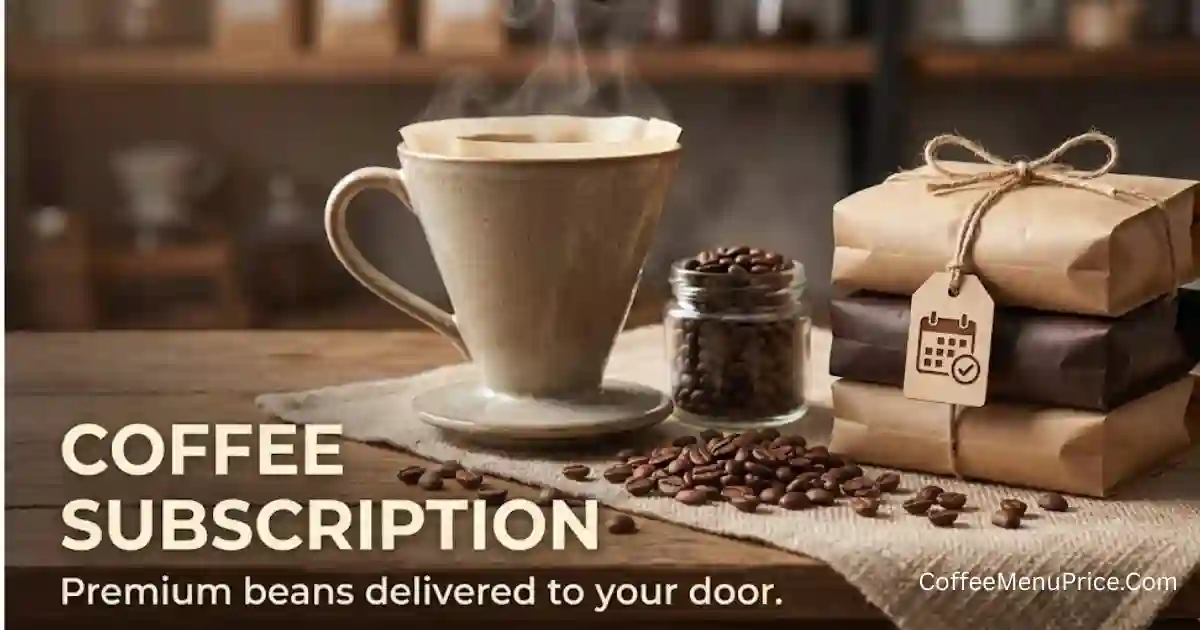
Signing up for a coffee subscription is often the turning point for enthusiasts who want to elevate their morning ritual from a basic caffeine fix to a genuine culinary experience. With the global specialty coffee market exploding and over 60% of coffee drinkers now brewing at home daily, the demand for high-quality, fresh-roasted beans delivered directly to the doorstep has never been higher. However, with hundreds of roasters and curators flooding the market in 2025, finding the right service can be overwhelming.
Unlike grabbing a generic bag off a grocery store shelf, a premium service offers customization, variety, and superior freshness that retail chains simply cannot match. If you are ready to upgrade your brew and are looking for the best coffee subscription, you must first understand the difference between direct-from-roaster services and multi-roaster curators. This guide breaks down the real costs, the freshness guarantees, and the value proposition of automating your coffee supply.
What Is a Coffee Subscription Service?
At its core, a coffee subscription is a service where a customer pays a recurring fee to receive coffee at specific intervals—weekly, bi-weekly, or monthly. But technically, it is much more than just a convenience tool. It is a supply chain optimization strategy that ensures you receive beans at their absolute peak flavor profile.
Grocery store coffee often sits in warehouses for months, losing volatile aromatics and flavor nuances due to oxidation. In contrast, the best subscription models operate on a strict "roast-to-order" basis. This means the beans are roasted only after you place your order (or a few days before shipping), ensuring you experience the coffee exactly as the roast master intended. This shift in logistics is what justifies the price tag for serious coffee lovers.
The Two Main Models: Roaster vs. Curator
When selecting a coffee subscription, you generally have two distinct paths. Understanding this distinction is crucial for satisfaction and budgeting.
The first is the Roaster Direct model (e.g., Blue Bottle, Stumptown, Intelligentsia). Here, you are buying loyalty to one brand. You get consistency, but you are limited to their specific style. The second is the Curator model (e.g., Trade, Mistobox, Bean Box). These companies act as middlemen, sourcing beans from dozens of award-winning roasters across the country and matching them to your palate using sophisticated algorithms.
According to recent data from the Specialty Coffee Association (SCA) , access to variety and "flavor discovery" are the primary drivers for modern coffee consumers, making the curator model increasingly popular.
Estimated Subscription Costs
If you prioritize quality, the financial commitment is slightly higher than supermarket brands but often lower than daily cafe visits. While prices vary by bean origin, processing method, and rarity, industry averages suggest the following:
- Standard Bag (12oz): Approximately $16.00 to $22.00 per shipment.
- Exclusive Microlots: $25.00 to $45.00 per bag (for rare Geisha or anaerobic process beans).
- Bulk Savings: 2lb or 5lb bags often reduce the price per ounce by 20%.
- Shipping Fees: Often free for subscribers, or a flat rate of $5.
Unlike a simple one-off purchase, a coffee subscription usually grants you "member pricing," which is typically 10-15% lower than retail. This makes subscription models the most economically sound way to buy specialty coffee.
Top Coffee Subscription Models Compared
Since there is no "one size fits all" coffee subscription, it is helpful to compare the market leaders based on their unique value propositions. Competition is fierce, which benefits the consumer through better introductory offers.
1. Trade Coffee (The Personalized Curator)
Trade is often called the "Netflix of Coffee." They partner with over 55 of the nation's top roasters. Their algorithm matches you with coffees based on a quiz regarding your roast preference and brew method. Their subscription fee typically ranges from $15 to $22 per bag. The value here is discovery—you rarely get the same bag twice unless you request it.
2. Atlas Coffee Club (The Global Traveler)
For those who view coffee as a cultural journey, Atlas focuses on single-origin beans from a different country every month. A subscription costs approximately $14 to $28 depending on volume. It includes postcards, flavor notes, and brewing guides, adding an educational layer to the coffee subscription experience.
3. Blue Bottle (The Freshness Purist)
Blue Bottle focuses heavily on freshness, promising shipments within 24-48 hours of roasting. Their subscription is priced around $18 to $24 per bag. It is ideal for minimalists who want a consistent, high-end Modern American espresso or pour-over profile without endless variety.
Where Does the Money Go? (Cost Breakdown)
When you pay $20 for a coffee subscription, you are paying for more than just the beans. The economics of specialty coffee are vastly different from commodity coffee (like Folgers or Maxwell House).
- Farm Gate Price: Premium subscriptions pay farmers significantly above Fair Trade minimums to secure the best crops.
- Roasting Expertise: Small-batch roasting requires skilled labor and expensive equipment (like Loring or Probat roasters) to ensure consistent development.
- Sustainable Packaging: Valved bags that keep oxygen out while letting CO2 escape are costly but necessary for freshness.
- Logistics: Expedited shipping is essential. Coffee is a perishable product that degrades noticeably after 4-6 weeks.
Consumer reports from Fair Trade Certified organizations highlight that subscription models often provide a more stable income for coffee farmers compared to the volatile commodity market prices, as roasters often sign forward contracts for the year.
Environmental Impact and Sustainability
A major consideration for the modern consumer is the environmental footprint of their habits. Does having coffee shipped to your door hurt the planet? Surprisingly, many coffee subscription services are leading the charge in sustainability.
Because subscriptions allow roasters to predict demand accurately, waste is virtually eliminated. Unlike cafes that throw away pounds of stale beans or brewed coffee daily, subscription roasters roast exactly what is needed for that week's shipments. Furthermore, many services like Driftaway Coffee use fully compostable packaging, and the carbon footprint of consolidated shipping logistics is often lower than individual customers driving cars to grocery stores.
Is a Coffee Subscription Worth It?
For the daily drinker, the math behind a coffee subscription is compelling. A standard 12oz bag makes about 16 to 20 cups of coffee (depending on your strength preference). At $20 per bag, that comes out to roughly $1.00 to $1.25 per cup for world-class specialty coffee.
Compare this to a coffee shop visit, where a pour-over or latte can cost $5.00 to $7.00. By switching to a subscription, you save significant money annually while likely drinking better quality coffee. Furthermore, the "set it and forget it" nature of the model ensures you never endure the morning tragedy of an empty coffee canister.
Frequently Asked Questions (FAQs)
How much does an average coffee subscription cost in 2025?
Most standard specialty coffee subscriptions range between $16 and $25 per shipment, including shipping. However, budget-friendly options exist around $14, and ultra-premium competitions lots can exceed $50.
Can I choose between whole bean and ground coffee?
Yes. Almost every coffee subscription allows you to select whole bean (recommended for freshness) or ground. If you choose ground, you can usually specify your brew method (French Press, Drip, or Espresso) so the grind size is perfect.
Is it easy to cancel or pause a subscription?
Modern subscription services prioritize flexibility to retain customers. You can typically skip a shipment, change your frequency, or cancel entirely through an online portal without needing to call customer service.
What is the difference between Single Origin and Blends?
Single Origin comes from one specific region or farm and has distinct, unique flavors (e.g., fruity Ethiopian or nutty Colombian). Blends combine beans from different regions to create a consistent, balanced flavor profile year-round. Subscriptions often let you choose your preference.
Are coffee subscriptions a good gift idea?
Absolutely. They are one of the most popular gifts for holidays and birthdays. Many services offer pre-paid gift subscriptions (3, 6, or 12 months) that do not renew automatically, making them a hassle-free gifting option for the coffee lover in your life.
Final Thoughts
While the search for the perfect coffee subscription might seem complex given the sheer number of options, it highlights the golden age of coffee we are currently living in. You no longer need to live in Seattle, Melbourne, or New York to access the world's best roasts.
If you value freshness, ethical sourcing, and convenience, setting up a recurring delivery is a no-brainer. Whether you choose a curator to explore the world or a local roaster to support your community, the investment pays dividends in every single cup you brew.
Ready to compare coffee prices yourself?
Start comparing prices across countries and save on your daily caffeine fix!
Start Compare Manually