The Evolution of Coffee Roasters: Art, Science, and Selection (2025)
A comprehensive guide to understanding roasting profiles, the rise of micro-roasteries, and choosing the best beans
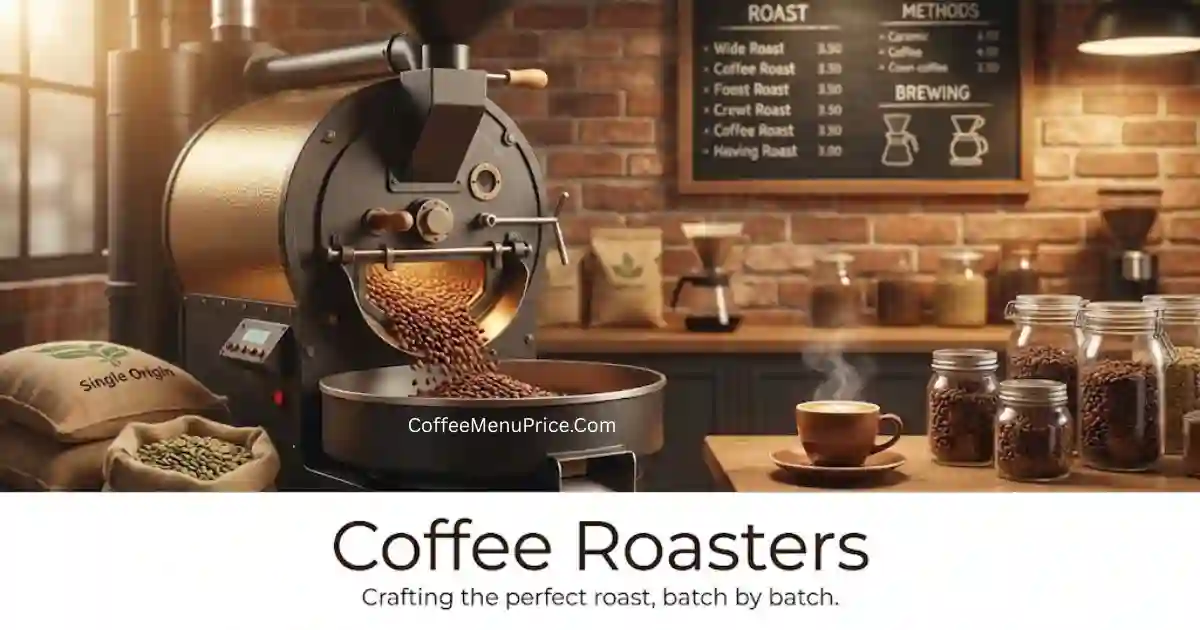
When we take that first sip of morning brew, we often think about the barista who made it or the country where the beans were grown. However, the unsung heroes of the industry are the coffee roasters. They are the alchemists who transform dense, grassy green seeds into the aromatic, brown beans that fuel the world. In 2025, the landscape of coffee roasters has shifted dramatically, moving away from mass production toward hyper-specialized, small-batch artistry that prioritizes transparency and flavor clarity.
Understanding the role of coffee roasters is essential for anyone looking to upgrade their home brewing game. The roaster determines the acidity, body, and sweetness of the cup. A skilled roaster can highlight the floral notes of an Ethiopian bean or the chocolatey depths of a Brazilian crop, while a poor roast can ruin even the most expensive harvest. This guide explores the mechanics of roasting, the difference between commercial and specialty operations, and how to find the best roaster for your palate.
The Alchemy of Heat: What Roasters Actually Do
At its core, coffee roasting is cooking. However, unlike baking a cake, it requires precise manipulation of heat over time to trigger hundreds of chemical reactions. Professional coffee roasters use sophisticated machines—often hooked up to software like Cropster or Artisan—to track the temperature of the beans second by second.
The process involves several critical stages that every coffee lover should recognize:
- Drying Phase: The green beans contain moisture that must be evaporated. The beans turn from green to yellow and smell like hay.
- Maillard Reaction: This is where the magic happens. Sugars and amino acids react to create hundreds of flavor compounds. The beans brown, and the aroma shifts to toasted bread or nuts.
- First Crack: As steam pressure builds up inside the bean, it cracks open with a popping sound (like popcorn). This marks the beginning of the edible roast level (Light Roast).
- Development Time: The period after the first crack is where coffee roasters make their signature mark. Extending this time increases body and bitterness while reducing acidity.
The Spectrum of Roast Levels
One of the most common points of confusion for consumers is roast levels. In 2025, modern coffee roasters have largely moved away from the extremely dark, oily roasts of the past, favoring lighter profiles that preserve the bean's natural character.
Light Roast (City Roast)
Light roasts are pulled shortly after the "first crack." These beans are light brown, have no oil on the surface, and retain the most unique characteristics of the origin. If you buy from specialty coffee roasters, a light roast will often taste fruity, floral, or even tea-like. It has the highest acidity and is preferred for pour-over brewing methods.
Medium Roast (Full City)
This is the crowd-pleaser. Medium roasts are darker brown and have a balanced flavor, trading some of the bright acidity for increased body and sweetness. Flavor notes often include caramel, nuts, and chocolate. Most independent coffee roasters recommend this level for drip coffee makers.
Dark Roast (Vienna or French Roast)
Dark roasts are roasted until the "second crack" occurs. The beans are dark brown or black and often shiny with oil. At this stage, you are tasting the roast itself (smoky, bitter, charred) rather than the bean's origin flavors. While less popular in the "Third Wave" coffee scene, many traditional coffee roasters still excel at creating bold dark roasts for espresso blends.
Commercial vs. Micro-Roasters: A Shift in the Industry
The industry is broadly divided into two categories: commercial giants and artisanal micro-roasters. Commercial coffee roasters often prioritize consistency and shelf life. They may roast huge batches (hundreds of kilograms at once) and roast darker to mask imperfections in lower-quality beans.
On the other hand, micro-roasters—a segment that has seen explosive growth according to Daily Coffee News —focus on "Specialty Grade" coffee. These coffee roasters operate on a smaller scale, often roasting less than 15kg at a time. This allows for rigorous quality control and the ability to highlight specific "microlots" from single farms. Supporting a local micro-roaster ensures you get beans that were likely roasted within the last few weeks, which is crucial for freshness.
Sustainability and Direct Trade
In 2025, the best coffee roasters are defined not just by their product, but by their ethics. The coffee supply chain has historically been fraught with inequality. Modern roasters are combating this through "Direct Trade" models.
Unlike "Fair Trade," which is a certification, Direct Trade implies that the roaster visits the farm, builds a relationship with the producer, and pays a price well above the commodity market rate. This ensures the farmer makes a living wage and allows the roaster to secure the best crops. When researching coffee roasters, look for transparency reports on their websites detailing exactly where their green coffee comes from and how much they paid for it. Organizations like the Specialty Coffee Association champion these sustainable practices as the future of the industry.
How to Choose the Right Roaster for You
With thousands of options available online and locally, selecting a roaster can be overwhelming. Here are a few tips to narrow down your search for the perfect coffee roasters:
- Check the "Roast Date": Legitimate specialty roasters always print the exact date the coffee was roasted on the bag. If a bag only has a "Best By" date, it is likely a commercial commodity product.
- Look for Tasting Notes: Good roasters describe the flavor. If you see "Citrus, Jasmine, Honey," expect a light, acidic coffee. If you see "Dark Chocolate, Tobacco, Earth," expect a heavy, bold cup.
- Subscription Options: Many top-tier coffee roasters now offer subscriptions. This is a great way to try different origins and processing methods from the same roaster to understand their style.
- Equipment Match: Some roasters specialize in "Omni-roasts" (good for any brew method), while others roast specifically for espresso or filter. Read the description to ensure it matches your brewing equipment.
The Home Roasting Revolution
For the ultimate enthusiast, buying from coffee roasters is just the gateway. The hobby of home roasting is growing rapidly. Small, countertop roasting machines (like the Ikawa or Behmor) allow consumers to buy green coffee beans—which are significantly cheaper and have a shelf life of years—and roast them in their kitchen.
While it requires patience and a tolerance for smoke, home roasting gives you complete control over the flavor profile. It is the logical next step for anyone obsessed with the science of coffee. However, for most people, trusting the expertise of professional coffee roasters remains the best way to guarantee a delicious cup every morning.
Frequently Asked Questions (FAQs)
How long does roasted coffee stay fresh?
Peak flavor usually occurs between 4 days and 4 weeks after roasting. After a month, the beans lose their aromatic compounds and become stale. This is why buying from local coffee roasters is superior to buying supermarket brands that may have sat on shelves for months.
Why is coffee from local roasters more expensive?
You are paying for quality and ethics. Local roasters use higher-quality green beans (Arabica) that cost more to farm. They also lose 15-20% of the bean's weight during roasting (moisture loss), and their labor and equipment costs per batch are higher than industrial factories.
What is a "Third Wave" coffee roaster?
"Third Wave" refers to a movement that treats coffee as an artisanal foodstuff, like wine or craft beer, rather than a commodity. Third Wave coffee roasters focus on lighter roasts, single-origin beans, and high transparency regarding the supply chain.
Can I use espresso roast for drip coffee?
Yes! "Espresso Roast" is just a marketing term usually indicating a medium-dark or dark roast. You can brew it in a French Press or drip machine, though it might taste stronger and less acidic than a standard roast.
Do different roasters make the same bean taste different?
Absolutely. Give the exact same green coffee to three different coffee roasters, and you will get three different tasting cups. One might roast it fast to highlight acidity; another might roast it slow to enhance body. The roaster's style is as important as the bean itself.
Final Thoughts
The world of coffee roasters is a blend of hard science, agricultural respect, and culinary art. In 2025, we are fortunate to have access to a wider variety of roasting styles and origins than ever before.
Whether you stick to a trusted local shop or subscribe to award-winning roasters from across the country, taking an interest in who roasts your coffee connects you to a global community. It honors the farmer's hard work and ensures that the industry remains sustainable for the future. So next time you buy a bag, check the roast date, read the story, and appreciate the craft inside.
Ready to compare coffee prices yourself?
Start comparing prices across countries and save on your daily caffeine fix!
Start Compare Manually