The Future of Coffee Ordering: Apps, Etiquette & Tech (2025)
Mastering mobile apps, understanding loyalty algorithms, and how to skip the line efficiently
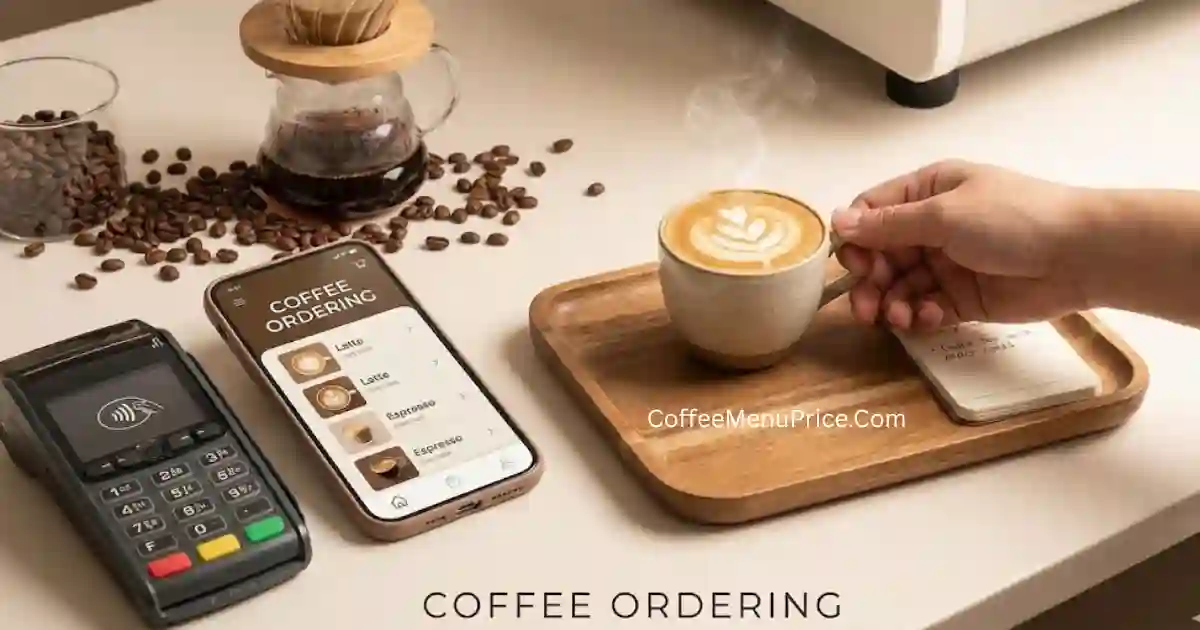
The ritual of the morning brew has undergone a digital revolution. Gone are the days when coffee ordering simply meant standing in a long queue, deciphering a chalkboard menu, and shouting your preference over the roar of espresso machines. In 2025, technology has fundamentally shifted the landscape of caffeine consumption. From AI-driven mobile apps that predict your cravings to contactless pickup counters that streamline the morning rush, the way we purchase our daily cup has become a sophisticated interplay of logistics and user experience.
However, with convenience comes complexity. With dozens of apps, endless customization modifiers, and varying loyalty structures, navigating the modern coffee ordering ecosystem can be daunting. Whether you are a business owner looking to optimize your Point of Sale (POS) system or a consumer trying to maximize rewards points, understanding the mechanics behind digital ordering is essential. This guide explores how technology has reshaped the café experience and how you can use it to your advantage.
The Evolution of Coffee Ordering Systems
Historically, the interaction between barista and customer was purely analog. Today, data from the National Coffee Association indicates that over 45% of all coffee purchases in major metropolitan areas are now initiated digitally before the customer even enters the shop. This shift toward "Mobile Order & Pay" was accelerated by the global events of the early 2020s but has solidified as the standard in 2025.
This evolution serves two purposes: efficiency and personalization. For the consumer, coffee ordering apps store past preferences, allowing for a "one-tap" reorder of complex drinks. For the café, these systems provide invaluable data on peak hours, inventory needs, and customer flavor trends, allowing for smarter staffing and stocking.
Top Methods for Ordering Coffee in 2025
When engaging in coffee ordering today, consumers are generally categorized into three distinct profiles based on the platform they use. Understanding the pros and cons of each can save you time and money.
The first is the Proprietary App User (e.g., Starbucks, Dunkin', Costa). These ecosystems are "walled gardens" designed to lock you in with gamified rewards (Stars, Points). The second is the Aggregator User (e.g., UberEats, DoorDash, Grubhub). These platforms allow for delivery but often come with marked-up menu prices and service fees. The third is the Third-Party Local Platform (e.g., Joe Coffee, Odeko). These apps empower independent cafes to offer mobile ordering technology that rivals the big chains, keeping money in the local community.
The Economics of Mobile Ordering
Is it cheaper to order via an app or in person? The answer lies in the hidden economics of digital transactions. While menu prices are usually consistent between the app and the counter for pickup, delivery apps can inflate costs significantly.
- In-App Promotions: Chains often offer exclusive "Happy Hour" deals only available via mobile coffee ordering.
- Upselling Algorithms: Apps are programmed to suggest food pairings, often increasing average spend by 15%.
- Subscription Models: Programs like the Panera Unlimited Sip Club have popularized the flat-monthly-fee model for unlimited ordering.
- Delivery Surcharges: Ordering a single latte for delivery can triple the cost once small cart fees and tips are added.
According to financial reports from Forbes Tech , digital orders tend to be 20% higher in value than in-person orders because customers feel less pressure and are more likely to add extra shots, syrups, or food items when browsing a digital menu.
Mastering the Lingo: How to Order Like a Pro
Even with digital interfaces, the sequence in which you input your drink parameters matters. Whether you are tapping buttons on a screen or speaking to a human, the efficiency of coffee ordering relies on a specific syntax. Baristas are trained to listen for variables in a specific order to mark cups or punch keys efficiently.
The Golden Sequence:
1. Hot or Iced: The most crucial first step (determines the cup type).
2. Size: 8oz, 12oz, 16oz (or Small, Medium, Large).
3. Decaf or Regular: Critical for health/preference.
4. Shots: Any extra espresso?
5. Syrup/Flavor: Vanilla, Caramel, etc.
6. Milk Type: Oat, Almond, Whole, Skim.
7. The Drink Name: Latte, Cappuccino, Americano.
By following this structure, you reduce errors and speed up the line. In app-based coffee ordering, the UI usually forces this progression, ensuring that the ticket printing at the espresso bar is legible for the barista.
The Rise of AI and Predictive Ordering
The frontier of coffee ordering is Artificial Intelligence. Major chains are currently utilizing "Deep Brew" technologies that analyze weather, time of day, and store location to recommend drinks. If it is a rainy Tuesday morning, the digital menu drive-thru board might highlight hot comfort drinks. If it is a scorching July afternoon, Cold Brews will take center stage.
Furthermore, geolocation technology now triggers the brewing process. When you place a mobile order, the system tracks your proximity to the store. The ticket is only released to the barista when you are 3 minutes away, ensuring your foam is still micro-textured and your shot hasn't died by the time you walk through the door. This Just-In-Time (JIT) manufacturing principle is revolutionizing freshness standards.
Sustainability in Digital Ordering
One criticism of the mobile coffee ordering boom is the waste generated. To-go cups are the default for mobile orders, even if the customer plans to stay in the café. However, the industry is adapting.
New updates in apps now allow users to select "For Here" (ceramicware) or "Personal Cup" options. Recent initiatives by Global Sustainability Groups are pushing for reusable cup programs where customers pay a deposit for a sturdy cup via the app and return it to a kiosk later. Mastering these toggles in your ordering app is the best way to maintain convenience without maximizing landfill contribution.
Is Automated Coffee Ordering Better?
While purists argue that the loss of the "Third Place" interaction—the chat with your local barista—diminishes the soul of coffee, the data suggests consumers prefer control. Coffee ordering via apps eliminates the anxiety of mispronouncing items or holding up the line. It allows for infinite customization (e.g., "1/2 pump sugar-free vanilla, extra hot, light foam") without judgment or communication breakdown.
However, it removes the serendipity of a barista recommending a new single-origin roast you might like. To counter this, many specialty coffee apps are now including "Barista Pick" features and detailed flavor notes (e.g., "Notes of blueberry and jasmine") to bring education back into the digital transaction.
Frequently Asked Questions (FAQs)
What is the most popular coffee ordering app in 2025?
While the Starbucks app remains the market leader in terms of active users, apps like Joe Coffee and Odeko are dominating the specialty coffee sector by aggregating thousands of independent cafes into a single ordering interface.
Does mobile ordering cost more than ordering in person?
Generally, no. Most official cafe apps charge the same menu price. However, if you use third-party delivery apps (like UberEats or DoorDash) for pickup or delivery, prices are often marked up by 15-20% to cover commission fees.
How do I customize my drink correctly on an app?
Look for the "Modifiers" or "Customize" tab. Always select your size first, then adjust milk, syrups, and espresso shots. Be aware that excessive modifications (like extra shots or alternative milks) will automatically update the final price.
Can I use my own cup with mobile orders?
Yes, most major chains and independent shops now support a "Personal Cup" option in their apps. You typically order via the app, arrive at the counter, and hand your cup to the barista at the hand-off plane.
What is "Order Ahead" etiquette?
Don't arrive immediately after hitting "submit." Wait for the notification that your order is ready. When you arrive, check the mobile pickup area (often marked with signage) rather than interrupting baristas who are making drinks.
Final Thoughts
The landscape of coffee ordering has transformed from a simple transaction into a high-tech experience that prioritizes speed, customization, and rewards. While the nostalgia of a cash-only cafe remains, the benefits of digital integration are undeniable for the modern lifestyle.
By choosing the right platforms—whether supporting local businesses through independent apps or maximizing stars at global chains—you can ensure your daily caffeine fix is not only delicious but also efficient and cost-effective. Embrace the technology, but remember to tip your barista; the app might take the order, but a human still crafts the art.
Ready to compare coffee prices yourself?
Start comparing prices across countries and save on your daily caffeine fix!
Start Compare Manually