The Complete Guide to Coffee Flavors (2025)
Decoding tasting notes, roast profiles, and the science behind your perfect cup
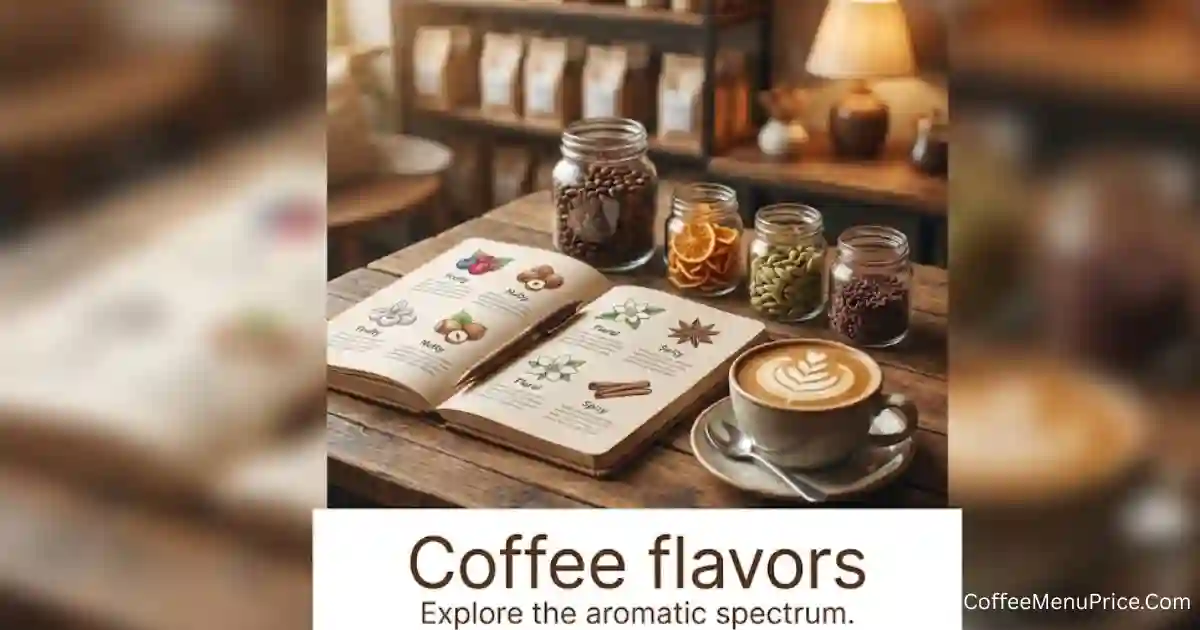
For the uninitiated, coffee often tastes simply like "coffee"—hot, bitter, and vaguely toasted. However, as you dive deeper into the world of specialty brewing, you unlock a vast spectrum of coffee flavors that rival the complexity of fine wine. From the bright, citric acidity of a high-altitude Kenyan bean to the deep, chocolatey richness of a Sumatra roast, the sensory experience of coffee is limitless. In 2025, understanding these nuances is no longer reserved for professional Q-graders; it is becoming essential knowledge for home brewers looking to maximize their investment.
The specific coffee flavors you perceive in your cup are the result of a delicate interplay between genetics, terroir (soil and climate), processing methods, and roasting science. When a bag of beans claims to have "notes of blueberry and jasmine," it doesn't mean fruit was added; it means the chemical compounds inherent in the bean mimic those specific natural flavors. This guide will walk you through how to identify, appreciate, and brew for specific flavor profiles.
The Science Behind Coffee Flavors
The coffee bean is actually the seed of a cherry-like fruit. Because of this biological origin, coffee possesses over 800 aromatic compounds—more than double that of wine. These compounds are locked inside the green coffee bean and are only released through the heat of roasting. Understanding coffee flavors begins with the Coffee Taster's Flavor Wheel, an industry-standard tool that categorizes tastes into families such as fruity, floral, sweet, nutty, and spicy.
According to the Specialty Coffee Association (SCA) , flavor perception combines taste (sweet, sour, salt, bitter, umami) and aroma. When you drink coffee, the vapors travel through your retro-nasal passage, which is why smell accounts for nearly 80% of what we consider "flavor." If you hold your nose while sipping, you will likely only taste bitterness or acidity, missing the nuanced notes entirely.
How Origin Impacts Flavor Profiles
Geography is perhaps the single biggest dictator of coffee flavors. Just as French wine tastes different from Californian wine, coffee beans take on the characteristics of the soil and climate where they are grown. This concept is known as "terroir."
Generally, the "Bean Belt" (the equatorial zone where coffee grows) is divided into three major flavor regions:
- Latin America (Colombia, Brazil, Costa Rica): Known for familiar, comforting flavors. Expect notes of milk chocolate, nuts (almond, hazelnut), caramel, and subtle citrus acidity. This is the classic "breakfast blend" profile.
- Africa (Ethiopia, Kenya, Rwanda): These beans are prized for their exotic and vibrant profiles. They often showcase floral aromas (jasmine, bergamot) and distinct fruitiness, ranging from blueberry and strawberry to lemony citrus.
- Asia-Pacific (Sumatra, Vietnam, India): Famous for heavy body and low acidity. The flavors here are earthy, spicy, woody, and sometimes savory or herbal.
The Role of Processing: Washed vs. Natural
Before roasting, the fruit must be removed from the bean. The method used here dramatically alters the final coffee flavors.
Washed Process: The fruit flesh is stripped away immediately with water. This results in a clean, crisp cup with higher acidity. It highlights the bean's intrinsic origin flavors.
Natural (Dry) Process: The coffee cherries dry in the sun with the fruit still attached to the seed. As the fruit ferments, sugars and esters absorb into the bean. This creates a heavy body and intense fruit flavors—often described as "jammy" or wine-like. If you love bold, berry-forward coffee flavors, look for "Natural Process" on the label.
Roast Levels and Flavor Development
You cannot discuss flavor without discussing the roast. The roaster's job is to balance the "enzymatic" flavors (fruit/floral notes inherent to the bean) with "sugar browning" flavors (caramel/chocolate developed during cooking).
Light Roast
Light roasts retain the most original character of the bean. They are often highly acidic, tea-like, and complex. This roast is preferred for high-quality single-origin beans where you want to taste the specific farm's terroir.
Medium Roast
The crowd-pleaser. Medium roasts reduce the intense acidity of light roasts and introduce more sweetness through caramelization. The coffee flavors here are balanced, often showcasing chocolate, brown sugar, and toasted nuts.
Dark Roast
In dark roasts, the heat has overtaken the original bean flavor. The dominant notes are smoky, bitter-sweet, and carbon-like. While often perceived as "stronger," they actually mask the subtle nuances of high-quality beans.
Artificial vs. Natural Flavors
It is important to distinguish between tasting notes (natural nuances) and flavored coffee (chemically enhanced). When a specialty bag says "Hazelnut," it refers to a natural sensory association. However, grocery store "Hazelnut Coffee" usually relies on propylene glycol-based oils sprayed onto low-quality beans to mask defects.
Health-conscious consumers and purists usually steer clear of artificially flavored beans. According to the National Coffee Association , true coffee appreciation comes from unlocking the natural chemical compounds developed during the Maillard reaction in the roasting drum, rather than adding synthetic syrups.
Developing Your Palate: How to Taste
Identifying specific coffee flavors is a learned skill. You can train your palate by performing a "cupping" at home. This involves brewing two or three different coffees side-by-side and slurping them from a spoon.
The loud slurping aerates the coffee, spraying it across your entire tongue and pushing aromas up to your nose. Ask yourself three questions:
- Acidity: Is it bright and sparkling (like a lemon) or flat?
- Body: Is the mouthfeel heavy (like whole milk) or thin (like water)?
- Aftertaste: What flavor lingers after you swallow? Is it chocolatey or dry?
Common Flavor Terminology
To navigate the market in 2025, you need to speak the language. Here are common terms you will find on packaging:
- Bright: Synonymous with acidity. A positive term meaning tangy or crisp.
- Earthy: Reminiscent of fresh soil or forest floor (common in Sumatran coffee).
- Clean: A coffee with no defects or muddy aftertaste; the flavor disappears quickly and pleasantly.
- Complex: A coffee that changes flavor as it cools, offering layers of fruit, sugar, and spice.
Frequently Asked Questions (FAQs)
Why does my coffee taste sour?
Sourness usually indicates under-extraction. This means the water passed through the grounds too quickly or the water wasn't hot enough, failing to pull out the balancing sugars. Try a finer grind size to slow down the brewing and balance the coffee flavors.
Does dark roast have more caffeine?
This is a common myth. While dark roasts taste "stronger" due to bitterness, light roasts actually retain slightly more caffeine by volume because the beans are denser. However, the difference per cup is negligible.
What creates fruity flavors in coffee?
Fruity notes come from esters and aldehydes in the coffee bean. These are most prominent in Natural Process coffees and beans grown at high altitudes (like Ethiopia), where the cherry matures slowly, developing complex sugars.
How can I preserve the flavor of my beans?
Oxygen, moisture, heat, and light are the enemies of flavor. Store your beans in an opaque, airtight container at room temperature. Grind fresh immediately before brewing, as ground coffee loses 60% of its aroma within 15 minutes.
What is the "Body" of a coffee?
Body refers to the tactile weight or viscosity of the coffee on your tongue. It is determined by the amount of dissolved oils and solids. French Press brewing typically yields a fuller body, while paper filters remove oils for a lighter body.
Final Thoughts
Exploring coffee flavors is a journey that changes the way you view your morning ritual. It shifts the focus from simple caffeine consumption to a moment of genuine appreciation for an agricultural product that traveled thousands of miles to reach your cup.
Whether you prefer the comforting embrace of a dark chocolate roast or the wild acidity of a light-roasted African bean, there is no "wrong" preference. The key is experimentation. Try different origins, vary your brew method, and pay attention to the tasting notes. The more you taste, the more you will discover the incredible depth hidden within the humble coffee bean.
Ready to compare coffee prices yourself?
Start comparing prices across countries and save on your daily caffeine fix!
Start Compare Manually