The Ultimate Guide to Coffee Creamer (2025)
Liquid vs. Powder, dairy-free alternatives, and how to choose the healthiest option for your brew
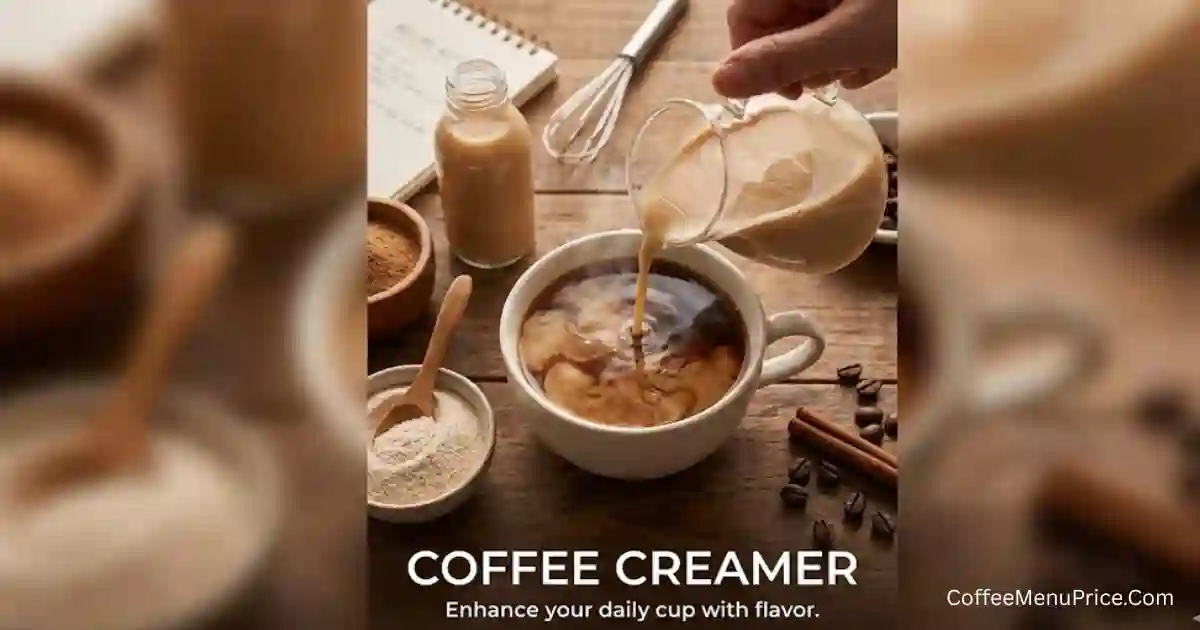
For millions of people around the world, a morning cup of joe isn't complete without a splash of coffee creamer. While black coffee purists exist, statistics show that nearly 70% of coffee drinkers add some form of whitener or sweetener to their beverage. In 2025, the landscape of creamers has evolved drastically. We have moved far beyond the simple powdered jars of the past into a sophisticated market filled with oat milk barista blends, keto-friendly oils, and gourmet flavors that mimic coffee shop desserts.
However, with this explosion of variety comes confusion. Walking down the dairy aisle—or searching online—presents an overwhelming number of choices. Are plant-based creamers actually healthier? Is powder cheaper than liquid? And what exactly are those unpronounceable ingredients on the back label? To build the perfect cup, you need to understand what you are pouring into it. This guide explores the world of coffee creamer, breaking down the costs, the ingredients, and the best options for your dietary needs.
What Is Coffee Creamer Exactly?
At its core, commercial coffee creamer is a substance used to lighten and sweeten coffee or tea. Interestingly, many traditional creamers do not contain actual cream. They are often emulsions of water, sugar, and vegetable oil, stabilized by chemical thickeners to simulate the mouthfeel of dairy fat.
The primary goal of a creamer is to reduce the acidity and bitterness of coffee while adding flavor and body. While traditional "half-and-half" is simply milk and cream, modern non-dairy creamers are scientifically engineered to mix perfectly with hot liquids without curdling. This distinction is vital for those with lactose intolerance or specific dietary goals, such as veganism or the Keto diet.
The Main Rivals: Liquid vs. Powder
When selecting a coffee creamer, you generally have to choose between two distinct formats. Understanding the pros and cons of each will help you manage your budget and your refrigerator space.
The first is the Liquid Creamer. This is the dominant force in the market today. Liquid versions usually offer a richer texture and a fresher taste profile because they can utilize higher quality fats (like coconut cream or real almond milk). The downside is that they require refrigeration once opened and have a shorter shelf life.
The second is Powdered Creamer. This is the champion of convenience and shelf stability. It is ideal for office break rooms or camping trips because it does not require refrigeration. However, to keep it powdery and non-clumping, it often contains anti-caking agents like sodium aluminosilicate. According to health reports from the U.S. Food and Drug Administration (FDA) , while generally safe, these additives are highly processed compared to fresh ingredients.
Comparing the Costs
Price is often the deciding factor for daily drinkers. If you drink three cups a day, the cost of coffee creamer adds up significantly over a year. Here is what the current market averages look like:
- Standard Liquid (32oz): Approximately $4.50 to $6.00 per bottle.
- Premium Plant-Based: $6.50 to $9.00 per bottle (Almond, Oat, or Macadamia nut bases).
- Powdered Canister (15oz): $3.50 to $5.00 (Offers the highest "cups per dollar" value).
- Keto/Functional Creamers: $25.00+ for bulk powders with MCT oil or collagen.
While powdered options are undeniably cheaper per serving, many consumers find the flavor payoff of liquid coffee creamer to be worth the extra expense, effectively replacing expensive Starbucks runs.
Top Coffee Creamer Categories Compared
Since there is no "one size fits all" additive, it is helpful to categorize the market leaders. Whether you want indulgence or health benefits, there is a formulation for you.
1. The Classic Sweeteners (Nestlé Coffee-Mate, International Delight)
These are the titans of the aisle. They focus on variety, offering flavors like French Vanilla, Hazelnut, and seasonal Pumpkin Spice. They are typically oil-based (palm or soybean) and sweetened with sugar or corn syrup. They dissolve instantly and mask bitterness effectively, but they are often high in empty calories.
2. The Plant-Based Barista Blends (Oatly, Califia Farms)
With the rise of veganism, oat and almond milk creamers have surged in popularity. Unlike standard almond milk which might separate in hot coffee, these "Barista Editions" add acidity regulators (like dipotassium phosphate) to ensure a smooth blend. They offer a creamy texture without dairy, though they can be pricier.
3. The Functional/Health Creamers (Laird Superfood, Nutpods)
This category treats coffee creamer as a supplement. Brands like Laird Superfood utilize coconut milk powder, aquamin, and mushroom extracts. Nutpods offers a unsweetened, dairy-free richness using a blend of almonds and coconuts. These are ideal for those monitoring blood sugar or following Paleo diets.
Nutritional Breakdown: What Are You Drinking?
When you pour a "splash" of coffee creamer, you might be adding more to your diet than you realize. The nutritional profile varies wildly between brands.
- Sugar Content: Standard flavored creamers can contain 5g to 10g of sugar per tablespoon. Most people use 2-3 tablespoons, turning a coffee into a dessert.
- Fats and Oils: Traditional non-dairy creamers often rely on partially hydrogenated oils (source of trans fats), though most reputable brands have phased these out for healthier vegetable oils.
- Thickeners: Ingredients like Carrageenan or Gellan Gum are used to create texture. While approved for consumption, some people with sensitive stomachs try to avoid them.
According to guidelines from the American Heart Association , men should limit added sugar to 36g per day and women to 25g. A heavy hand with a sugary creamer can consume half your daily limit before 9 AM.
Environmental Impact and Sustainability
Just as we scrutinize the sourcing of coffee beans, we must look at the creamer. The dairy industry has a massive carbon footprint, which has driven the shift toward plant-based coffee creamer. Oat milk, for example, requires significantly less water and land to produce than dairy milk or almond milk.
Packaging is another concern. Powdered creamers in large canisters produce less plastic waste per cup compared to single-serving plastic pods or heavy liquid plastic bottles. Many forward-thinking brands are now moving toward Tetra Pak cartons, which are more easily recyclable and lighter to ship, reducing transportation emissions.
Is Premium Coffee Creamer Worth It?
If you are drinking high-quality, single-origin coffee, heavy creamers can sometimes mask the delicate floral or fruit notes of the bean. In this case, drinking it black or with a splash of neutral oat milk is preferred. However, for a standard dark roast or a comfort brew, a high-quality coffee creamer can elevate the experience.
Investing in better creamers—those with fewer additives and real food ingredients—is an investment in your long-term health. While a $7 bottle of macadamia nut creamer seems expensive, it costs about $0.30 per serving. Compared to a $6.00 latte at a cafe, you are still saving a massive amount of money by acting as your own barista.
Frequently Asked Questions (FAQs)
Does coffee creamer need to be refrigerated?
Liquid dairy-based and most plant-based creamers must be refrigerated after opening. However, sealed individual shelf-stable cups (like those in diners) and powdered creamers do not require refrigeration due to their processing and packaging.
What is the healthiest coffee creamer?
The "healthiest" option depends on your goals. generally, an unsweetened plant-based creamer (like almond or oat) with minimal ingredients is best for general health. If you consume dairy, organic half-and-half is often healthier than processed oil-based whiteners because it is a whole food.
Can I froth coffee creamer?
Yes, but results vary. High-fat dairy cream and "Barista Blend" plant milks froth the best because they have the necessary protein and fat structures. Standard oil-based liquid creamers usually do not hold a foam well.
Is powdered creamer bad for you?
In moderation, it is safe. However, powdered coffee creamer is highly processed and often contains aluminosilicate (an anti-caking agent) and hydrogenated oils. Daily consumption of large quantities is generally not recommended by nutritionists compared to fresh alternatives.
Why does my creamer curdle in my coffee?
Curdling happens when the acidity of the coffee reacts with the proteins in the milk or creamer. This is common with soy and almond milk. To prevent this, try warming the creamer before adding it, or choose a darker roast coffee (which is actually less acidic than light roast).
Final Thoughts
The world of coffee creamer is vast, ranging from nostalgic sugary treats to functional, health-boosting additives. It is the easiest way to customize your morning ritual. Whether you are looking to replicate a Pumpkin Spice Latte at home or simply want a smooth texture without the dairy, there is a product on the shelf for you in 2025.
The key is to read the labels. Look for ingredients you recognize, watch the sugar content, and don't be afraid to experiment with different plant bases like oat or macadamia. Your perfect cup is out there waiting to be mixed.
Ready to compare coffee prices yourself?
Start comparing prices across countries and save on your daily caffeine fix!
Start Compare Manually