Top Coffee Brands of 2025: A Comprehensive Guide
From artisan roasters to global giants, discover the best beans for your perfect brew
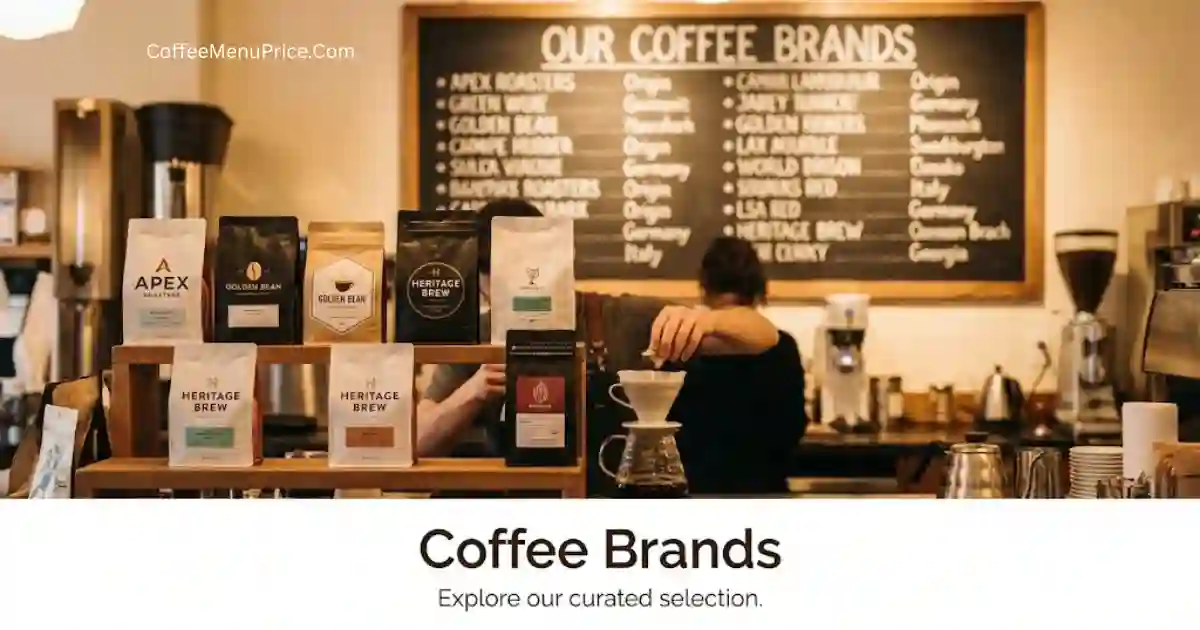
In the rapidly evolving world of caffeine, choosing between coffee brands has become as nuanced as selecting a fine wine. Gone are the days when the only options were a few tins of pre-ground beans on a supermarket shelf. In 2025, the global coffee market is exploding with diversity, ranging from historic Italian stalwarts to innovative "Third Wave" roasters who treat every bean like a jewel.
Whether you are an espresso aficionado, a pour-over purist, or someone who simply needs a reliable morning kick, understanding the landscape of coffee brands is essential to elevating your daily ritual. With thousands of roasters vying for attention, how do you distinguish marketing hype from genuine quality? This guide explores the industry leaders, the rising stars, and the sustainable innovators defining the coffee culture of today.
The Evolution of Coffee Brands: A Brief History
To appreciate the current market, we must look at the "waves" of coffee consumption. The first wave was defined by commodity brands focused on convenience and caffeine delivery. The second wave, led by giants like Starbucks and Peet’s, introduced the concept of specialty drinks and origin-specific beans.
Now, we are firmly in the era of the Third Wave (and entering the Fourth). Modern coffee brands focus intensely on transparency, lighter roast profiles that highlight the bean's natural fruitiness, and ethical sourcing. According to the National Coffee Association , consumers are increasingly willing to pay a premium for brands that can prove their beans were grown sustainably and roasted with precision.
Top Global Coffee Brands You Should Know
When discussing market dominance and consistency, several names stand out. These coffee brands have mastered the art of supply chain management to deliver a consistent flavor profile, whether you are in New York, Tokyo, or London.
- Starbucks: Undeniably the most famous coffee brand in history. While often criticized by purists for "over-roasting," their Reserve line offers exceptional single-origin beans.
- Lavazza: The pride of Italy. Lavazza is the go-to brand for espresso lovers who prefer a traditional, full-bodied, and chocolaty profile with low acidity.
- Nescafé: As the world's leading instant coffee brand, Nescafé has reinvented itself with "Gold" blends that mimic freshly brewed arabica flavors.
- Peet's Coffee: Often credited with starting the craft coffee revolution in the US before Starbucks, Peet's offers deep, dark roasts that remain fresh and oily.
The Rise of Specialty and Third-Wave Roasters
For those seeking flavor complexity—notes of blueberry, jasmine, or caramel—specialty coffee brands are the answer. These companies focus on "Single Origin" beans, meaning the coffee comes from a specific farm or cooperative, rather than a blend of multiple countries.
Brands like Blue Bottle Coffee, Stumptown Roasters, and Intelligentsia have set the gold standard. They emphasize freshness, often putting "roasted on" dates on their bags rather than "best by" dates. This transparency allows the consumer to brew the coffee at its peak flavor window (usually 2 to 4 weeks post-roast).
Grocery Store Gems: Quality on a Budget
Not everyone has the budget or time to order from boutique micro-roasters. Fortunately, the quality of grocery store coffee brands has improved dramatically. You can now find organic and Fair Trade options in the main aisles.
Illy is a standout in this category. Their unique pressurization packaging keeps beans fresh for up to two years. Dunkin' (grocery bags) is another favorite for those who prefer a smooth, uncomplicated medium roast with zero bitterness. Even Costco's Kirkland Signature has gained a cult following, with many of their beans rumored to be roasted by Starbucks, offering exceptional value for money.
Sustainability and Ethical Branding
In 2025, a brand is defined not just by taste, but by its values. Climate change poses a severe threat to coffee production, particularly Arabica beans which require specific altitudes and temperatures. Consequently, the best coffee brands are those investing in the future of farming.
Look for certifications on the bag. The Fairtrade International mark ensures farmers receive a minimum price to cover sustainable production costs. "Rainforest Alliance" certifies that farming methods protect local ecosystems. However, many top-tier specialty brands go beyond certifications with "Direct Trade," negotiating prices directly with farmers that are often double or triple the fair trade minimums.
How to Choose the Right Brand for Your Palate
With so many coffee brands available, making a choice can be overwhelming. Here is a simple framework to narrow down your options:
1. Identify Your Roast Preference
If you like bright, acidic, tea-like coffee, choose a "Light Roast" from a specialty brand like Intelligentsia. If you prefer a heavy body with notes of smoke and dark chocolate, look for "French Roast" or "Italian Roast" from brands like Peet's or Lavazza.
2. Check the Bean Type
Always look for "100% Arabica." Robusta beans are cheaper and contain more caffeine, but they often taste rubbery and bitter. Premium coffee brands rarely use Robusta unless it is a high-end variation for specific espresso blends.
3. Whole Bean vs. Ground
No matter which brand you choose, buying whole beans is the single biggest upgrade you can make. Pre-ground coffee loses 60% of its aroma within 15 minutes of opening the bag. Investing in a grinder opens up a new world of flavor from the same brands you already buy.
Health Benefits of Quality Coffee
Choosing high-quality coffee brands isn't just about taste; it can be about health. Cheap, mass-produced coffee can sometimes contain mold toxins (mycotoxins) or high levels of pesticides. Premium brands that test for quality ensure you are getting the health benefits without the contaminants.
Coffee is a massive source of antioxidants in the Western diet. Studies referenced by Healthline indicate that regular consumption is linked to a lower risk of type 2 diabetes and Alzheimer's disease. Organic brands further reduce the risk of ingesting synthetic chemicals.
Frequently Asked Questions (FAQs)
What is the number one coffee brand in the world?
In terms of revenue and global reach, Starbucks holds the top spot. However, in terms of volume of instant coffee consumed, Nescafé is arguably the most ubiquitous brand globally.
Which coffee brands are best for espresso?
Italian brands like Lavazza and Illy are scientifically blended specifically for espresso machines. They use a precise mix of beans to ensure a thick, golden crema and a consistent flavor profile that cuts through milk.
Are expensive coffee brands worth it?
Generally, yes. When you pay more for specialty coffee brands, you are paying for hand-picked beans, ethical labor practices, and small-batch roasting. The flavor difference—lacking the "burnt" taste of cheap coffee—is immediately noticeable.
What does "Single Origin" mean on a coffee label?
It means the beans come from one specific place—usually a specific region, cooperative, or even a single farm. Blends, on the other hand, mix beans from different countries to create a specific flavor profile.
Which brands have the most caffeine?
Brands that utilize Robusta beans (like Death Wish Coffee) have significantly higher caffeine content. However, among standard Arabica brands, a light roast actually has slightly more caffeine by volume than a dark roast, though the difference is minimal.
Final Thoughts
The landscape of coffee brands in 2025 is more exciting than ever before. We have moved past the era where coffee was just a bitter liquid to wake us up. Today, it is a culinary experience that connects us to farmers across the globe.
Whether you stick to the comforting consistency of a major global brand or explore the adventurous, fruity profiles of a local micro-roaster, the most important factor is freshness. Experiment with different origins and roasts, read the labels, and support companies that prioritize both flavor and the future of the planet.
Ready to compare coffee prices yourself?
Start comparing prices across countries and save on your daily caffeine fix!
Start Compare Manually