The Ultimate Guide to Buy Coffee Online in 2025
Navigating freshness, ethical sourcing, and the best delivery services for your daily brew
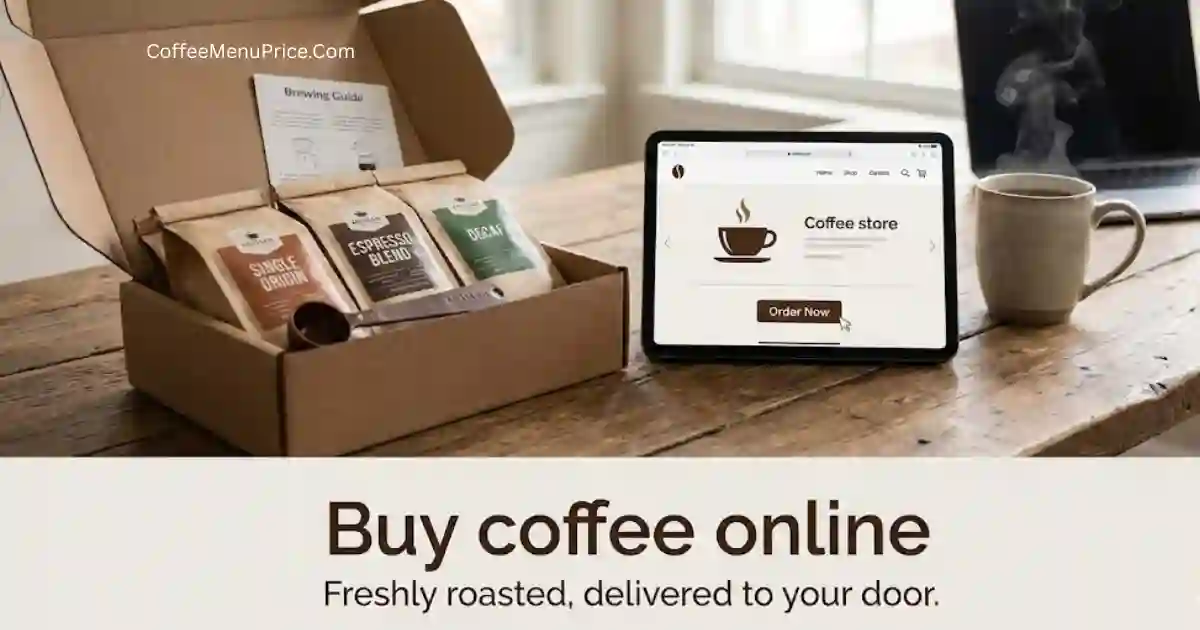
The way we purchase our daily caffeine fix has fundamentally shifted. In 2025, the decision to buy coffee online is no longer just about convenience; it is about accessing a level of freshness and variety that local grocery stores simply cannot match. With the rise of "third-wave" roasters offering direct-to-consumer shipping, coffee lovers now have the world's finest harvests at their fingertips, often delivered within 48 hours of roasting.
However, the digital marketplace is crowded. From subscription boxes to single-origin micro-lots, the options can be overwhelming. How do you ensure you aren't buying stale beans dressed up in fancy packaging? This comprehensive guide will walk you through how to buy coffee online like a pro, ensuring every cup you brew is a masterpiece of flavor and aroma.
Why You Should Buy Coffee Online vs. The Grocery Store
The most critical factor in coffee quality is freshness. Coffee beans are essentially a fresh produce item; they have a peak flavor window. Most bags sitting on supermarket shelves were roasted months ago and have lost their volatile aromatic compounds. When you buy coffee online directly from a roaster, you are often getting "roast-to-order" service.
This means the beans are roasted only after you place your purchase, ensuring they arrive at your doorstep during their absolute peak flavor—typically between days 4 and 21 post-roast. According to the Specialty Coffee Association , preserving these volatile compounds is the only way to experience the true terroir of the bean.
Key Trends for Online Coffee Buyers in 2025
As we move through 2025, several trends are shaping how consumers buy coffee online. Understanding these can help you make better purchasing decisions:
- Personalized Subscriptions: AI-driven quizzes now help match your specific palate (fruity vs. nutty, light vs. dark) to curated beans from around the world.
- Transparent "Direct Trade": Consumers are demanding proof of ethical sourcing. The best online shops now list the specific farm, the farmer's name, and the price paid for the green beans.
- Flash-Frozen Innovation: A growing sector involves brewing coffee at peak perfection and flash-freezing it into capsules, which are then shipped on dry ice for a premium instant experience.
- Functional Coffee: There is a surge in demand for coffees infused with adaptogens or low-acid varieties, catering to the health-conscious remote worker.
How to Assess Quality Before You Buy
Without the ability to smell the beans, how do you judge quality through a screen? There are specific "green flags" to look for on any website where you buy coffee online.
1. The "Roast Date" Guarantee
Never buy from a site that only lists a "Best By" date. A "Best By" date is often set for one year out, hiding the fact that the coffee might already be six months old. reputable roasters will prominently display the specific "Roasted On" date. If this information is missing, click away.
2. Traceability Details
Generic labels like "100% Arabica" or "Premium Blend" are red flags in the specialty world. High-quality listings will detail the country of origin, the specific region (e.g., Yirgacheffe, Ethiopia), the altitude, and the processing method (Washed, Natural, or Honey). This transparency indicates the roaster takes pride in their sourcing.
3. Whole Bean vs. Ground
While many sites offer pre-ground options, it is highly recommended to buy whole beans. Once coffee is ground, it loses 60% of its aroma within 15 minutes due to oxidation. Investing in a modest burr grinder and buying whole beans is the single biggest upgrade you can make to your home brewing setup.
Navigating Flavor Profiles
When you buy coffee online, you can't rely on a barista's recommendation. You must learn to read the "tasting notes" printed on the bag. These are not added flavors; they are natural characteristics of the bean.
Fruity & Floral: Often found in light roasts from Africa (Ethiopia, Kenya). Look for notes like blueberry, jasmine, or bergamot.
Nutty & Chocolatey: Typical of medium-dark roasts from Latin America (Brazil, Colombia). Look for notes of almond, caramel, and cocoa.
Earthy & Spicy: Common in beans from the Asia-Pacific region (Sumatra, Sulawesi). Look for notes of cedar, tobacco, and dark chocolate.
Resources like World Coffee Research provide excellent sensory lexicons if you want to deepen your understanding of these flavor descriptors.
Subscription Services: Are They Worth It?
One of the most popular ways to buy coffee online in 2025 is through a subscription model. This "set it and forget it" approach ensures you never run out of beans.
The Pros: You often get a discount (usually 10-15%) compared to one-time purchases. It also forces you to try new things,
as many subscriptions offer a "Roaster's Choice" rotation.
The Cons: You surrender some control. If you receive a bag you don't love, you might feel stuck with it. However, top-tier
services now offer "happiness guarantees" where they will replace a bag for free if it doesn't match your preferences.
The Environmental Impact of Shipping
A common concern when we buy coffee online is the carbon footprint of shipping. However, many studies suggest that efficient logistics networks (delivery trucks on optimized routes) can actually be lower impact than individual consumers driving cars to and from grocery stores.
To minimize your impact, consider "bundling" your orders. Instead of ordering one 12oz bag every week, order a 2lb or 5lb bag once a month. Look for roasters who use compostable mailers and carbon-neutral shipping partners. Supporting roasters who are certified B-Corps is another great way to ensure your habit is sustainable.
Frequently Asked Questions (FAQs)
Is it safe to buy coffee online?
Yes, it is generally very safe. Most specialty coffee roasters use secure e-commerce platforms like Shopify or WooCommerce. Always look for the padlock icon in the browser address bar and check for clear return policies and contact information.
How much shipping should I expect to pay?
In 2025, many roasters offer free shipping on orders over $50 or for subscription holders. For single bags, standard shipping typically ranges from $5 to $9 depending on your location relative to the roastery.
Can I return coffee if I don't like it?
Because coffee is a perishable food item, most roasters do not accept physical returns. However, reputable online stores focused on customer satisfaction will often send a replacement bag of a different roast if you genuinely dislike what you received.
What is the difference between Single Origin and Blends?
Single Origin means the beans come from one specific place (a single farm or co-op). They have distinct, unique flavors. Blends are a mix of beans from different origins, designed to create a consistent, balanced flavor profile year-round. Blends are often better for espresso, while single origins shine in pour-over methods.
How long does coffee stay fresh after delivery?
An unopened bag of whole beans with a one-way valve will stay fresh for about 4-6 weeks after the roast date. Once opened, you should try to consume it within 2 weeks. Store it in an airtight container away from direct sunlight and heat.
Final Thoughts
Deciding to buy coffee online opens up a universe of flavor that simply doesn't exist in the fluorescent-lit aisles of a supermarket. It connects you directly with the craftsmanship of the roaster and the hard work of the farmer.
Whether you are looking for a reliable house blend to wake you up or an exotic Gesha varietal for a special occasion, the internet has democratized access to the best beans on the planet. By paying attention to roast dates, origin details, and your own taste preferences, you can ensure that your morning cup is not just a routine, but a ritual of quality and discovery.
Ready to compare coffee prices yourself?
Start comparing prices across countries and save on your daily caffeine fix!
Start Compare Manually