Mastering the Art of Brewing Coffee (2025 Guide)
From grind consistency to water chemistry: A comprehensive deep dive into extracting the perfect cup at home
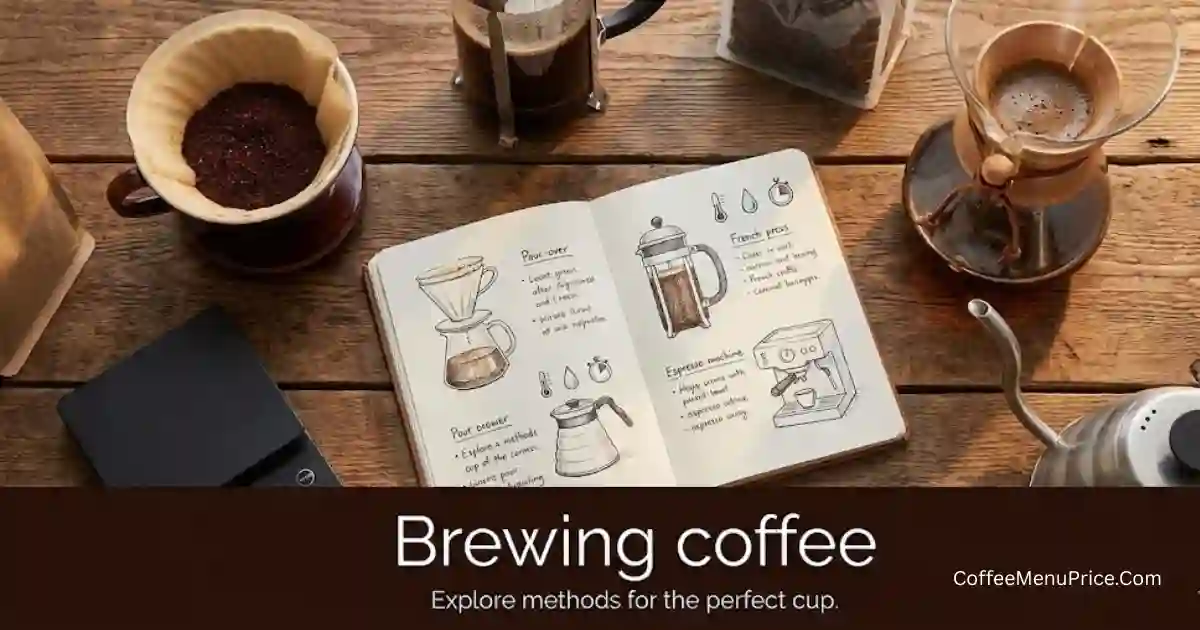
For millions of people around the world, the morning ritual begins with the aroma of roasted beans. However, the difference between a mediocre cup and a transcendent experience often lies not in the cost of the beans, but in the technique of brewing coffee. In 2025, the home brewing landscape has evolved into a sophisticated blend of science and art, where precision tools and understanding extraction theory are just as common in domestic kitchens as they are in high-end cafes.
Brewing coffee is essentially a chemistry experiment. It involves using water as a solvent to extract soluble compounds—flavors, oils, and caffeine—from the ground beans. The goal is to extract just the right amount. Under-extract, and the coffee tastes sour and grassy. Over-extract, and it becomes bitter and astringent. This guide explores the fundamental pillars of brewing, modern methods, and how to troubleshoot your cup to achieve barista-level results at home.
The Four Pillars of Brewing Coffee
Regardless of whether you use a French Press, a V60, or an automatic drip machine, four variables dictate the quality of your final cup. Mastering these allows you to control the outcome of brewing coffee with consistency.
- The Ratio: The "Golden Ratio" generally falls between 1:15 and 1:17 (one part coffee to 15-17 parts water). Using a digital scale to weigh your dose is the single most effective upgrade for your brewing routine.
- Grind Size: The surface area of the coffee grounds determines how fast water extracts flavor. Fine grinds (like sand) extract quickly and are used for espresso. Coarse grinds (like sea salt) extract slowly and suit the French Press.
- Water Temperature: According to the Specialty Coffee Association, water should be between 195°F and 205°F (90°C-96°C). Boiling water can scorch dark roasts, while tepid water fails to extract the bright acidity of light roasts.
- Time: The contact time between water and coffee must match the grind size. A quick pour-over might take 3 minutes, while a cold brew steeps for 12 to 24 hours.
Immersion vs. Percolation: Understanding the Methods
Methods of brewing coffee generally fall into two categories: immersion and percolation. Understanding the physics behind these helps you choose the method that best suits your taste preferences.
Immersion Brewing (French Press, AeroPress, Cold Brew)
In immersion brewing, the coffee grounds are fully submerged in water for the duration of the brew. This tends to create a full-bodied, rich cup with a heavier mouthfeel. Because the water does not flow through a bed of coffee, the risk of "channeling" (uneven extraction) is minimized, making it a forgiving method for beginners learning brewing coffee.
Percolation / Pour-Over (V60, Chemex, Drip)
Percolation involves passing fresh water through a bed of coffee grounds and a filter. This method excels at clarity and complexity, highlighting the delicate floral and fruity notes of single-origin beans. It requires more technique, as a steady hand and a gooseneck kettle are often needed to ensure the water saturates the grounds evenly.
The Underrated Ingredient: Water Chemistry
Coffee is 98% water. If your water tastes like chlorine or has the wrong mineral content, your coffee will suffer. In 2025, serious enthusiasts focus heavily on water profiles. Magnesium aids in extracting fruity flavors, while bicarbonates act as a buffer for acidity.
Using distilled water is actually detrimental, as it lacks the minerals needed to bond with flavor compounds. Instead, many home brewers now use mineral packets (like Third Wave Water) added to distilled water, or simply use filtered water that removes odors while retaining mineral hardness. Leading industry resources like Daily Coffee News frequently highlight how water composition can completely change the sensory profile of a brew.
The Grind: Why the Grinder is King
If you have a limited budget for equipment, spend it on the grinder, not the machine. A consistent grind is the holy grail of brewing coffee. Cheap "blade" grinders chop beans unevenly, resulting in "boulders" (large chunks) that under-extract and "fines" (dust) that over-extract. This mixture creates a muddy, confusing flavor profile.
A "burr" grinder crushes beans to a uniform size. This uniformity ensures that every particle extracts at the same rate, providing a clean and balanced cup. Whether you opt for a high-end electric model or a premium hand grinder, the investment pays off immediately in flavor clarity.
Troubleshooting Your Brew
Even experienced baristas encounter bad brews. The key to mastering brewing coffee is knowing how to fix it the next time. Use your palate as a guide:
- If it tastes Sour / Salty / Thin: The coffee is under-extracted. You didn't get enough flavor out. Solution: Grind finer, use hotter water, or extend the brew time.
- If it tastes Bitter / Dry / Astringent: The coffee is over-extracted. You pulled too many tannins out. Solution: Grind coarser, use slightly cooler water, or shorten the brew time.
- If it tastes Strong / Intense: The ratio is off. Solution: Add less coffee or more water next time.
Sustainable Brewing Practices
As we become more environmentally conscious in 2025, sustainable brewing coffee habits are gaining traction. Single-use pods, while convenient, generate massive plastic waste. Switching to manual brewing methods or using reusable metal/cloth filters significantly reduces your carbon footprint. Furthermore, composting your spent coffee grounds creates nutrient-rich soil for your garden, closing the loop on the brewing cycle.
Frequently Asked Questions (FAQs)
What is the best temperature for brewing coffee?
Ideally, between 195°F and 205°F (90°C-96°C). Light roasts generally perform better at the higher end of this range to maximize extraction, while dark roasts benefit from the lower end to prevent bitterness.
Why does my coffee taste weak?
Weak coffee is usually the result of using too much water for the amount of coffee grounds (a low ratio) or grinding too coarse, which allows water to pass through without picking up flavor. Try a 1:15 ratio (e.g., 20g coffee to 300g water).
Do I really need a scale for brewing coffee?
Technically no, but practically yes. Scoops are inaccurate because different beans have different densities. A scale ensures you are using the exact same amount of coffee and water every time, making your results reproducible.
How long should I let coffee bloom?
The "bloom" is the initial pour where you wet the grounds and let them degas carbon dioxide. Typically, 30 to 45 seconds is sufficient. This step is crucial for fresh coffee to ensure even water contact during the main brew.
Is cold brew stronger than hot coffee?
Cold brew is often brewed as a concentrate with a very high coffee-to-water ratio (1:4 or 1:8), making it very high in caffeine. However, when diluted with water or milk for serving, its strength is comparable to standard drip coffee.
Final Thoughts
Brewing coffee is a journey that never truly ends. There is always a new origin to try, a different processing method to taste, or a slight tweak in grind size that reveals a hidden flavor note. It is a ritual that invites mindfulness into our busy lives.
By paying attention to the details—weighing your beans, monitoring your water temperature, and buying fresh roasts—you transform a commodity beverage into a craft experience. So, fire up the kettle, grind your beans fresh, and enjoy the process of creating the perfect cup.
Ready to compare coffee prices yourself?
Start comparing prices across countries and save on your daily caffeine fix!
Start Compare Manually